Newsletter Subscribe
Enter your email address below and subscribe to our newsletter
[forminator_form id="25163"]

All voices matter
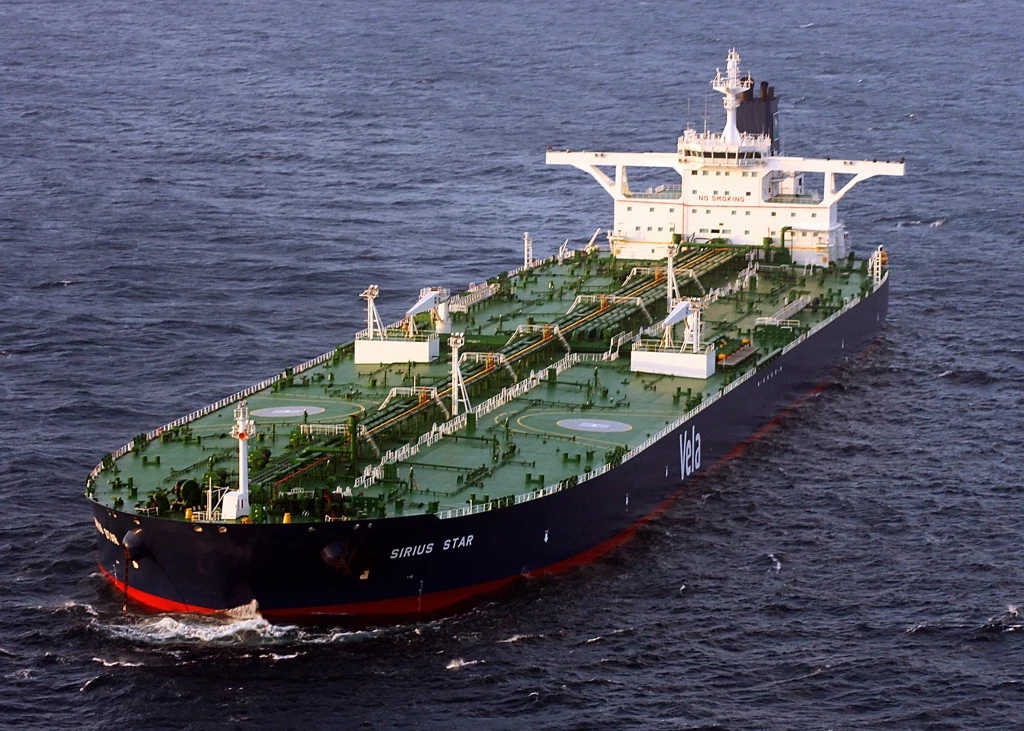
brazilenergyinsight+1thedailystar+1semaforBrazil has emerged as one of the clearest beneficiaries of the war between the United States and Iran, setting new oil production records and more than doubling the value of crude shipments to China as the conflict reshapes global energy flows.
The South American producer's crude output hit a record in recent months, with Brazil's National Agency of Petroleum reporting an all-time high of 5.64 million barrels of oil equivalent per day in April, a 20.3% year-on-year increase. June hydrocarbon output reached 5.8 million barrels of oil equivalent daily, extending that record streak. The surge has been driven by rising global prices and redirected demand after the U.S. and Israel launched strikes against Iran on February 28, disrupting flows through the Strait of Hormuz.brazilenergyinsight+2
China, the world's largest crude importer, has been at the center of the demand shift. The value of Brazilian crude exports to China nearly doubled in the first quarter of 2026, reaching $7.2 billion — a 94.6% increase year-on-year, according to data compiled by the Brazil-China Business Council. Reuters Thomson Reuters Corporation reported that China received record volumes of Brazilian crude in March, helping push Brazil's total crude exports to 2.5 million barrels per day that month. Mezha, citing CNN data, reported that Brazilian oil shipments to China exceeded $15.1 billion in the first half of the year.mezha+3
China's overall seaborne crude imports have fallen roughly 40% from pre-conflict levels, dropping to 7.14 million barrels per day in August from an average of 11.41 million before the war began, according to Kpler data cited by The Daily Star. That decline has paradoxically helped prevent a more extreme price spike, with Barclays analysts writing Tuesday that "diversification can go a long way in securing" importers against supply shocks.semafor+1
Brazil is not acting alone. Moneycontrol reported that Guyana, Canada and Norway have all added production, while Saudi Arabia has expanded alternative export routes toward the Red Sea. Brent crude futures, which surged 75% to $126.41 a barrel in late April, have since moderated below $100, though prices climbed again this week as strikes between the U.S. and Iran intensified near the strait.moneycontrol+2
Petrobras Petróleo Brasileiro S.A. – Petrobras announced in August the discovery of a new offshore field in the Equatorial Margin area off the coast of Amapá state. Brazilian President Luiz Inácio Lula da Silva called it "a passport to the country's future". Brazilian Energy Minister Alexandre Silveira said instability along key international routes had given Brazil's production expansion "particular strategic importance".mezha
The research group E3G, however, warned Tuesday that the longer-term risk may lie not with importers but with exporters: declining state revenue as global demand contracts "brings risks that countries worldwide are not yet acknowledging or preparing for".semafor