Newsletter Subscribe
Enter your email address below and subscribe to our newsletter
[forminator_form id="25163"]

All voices matter
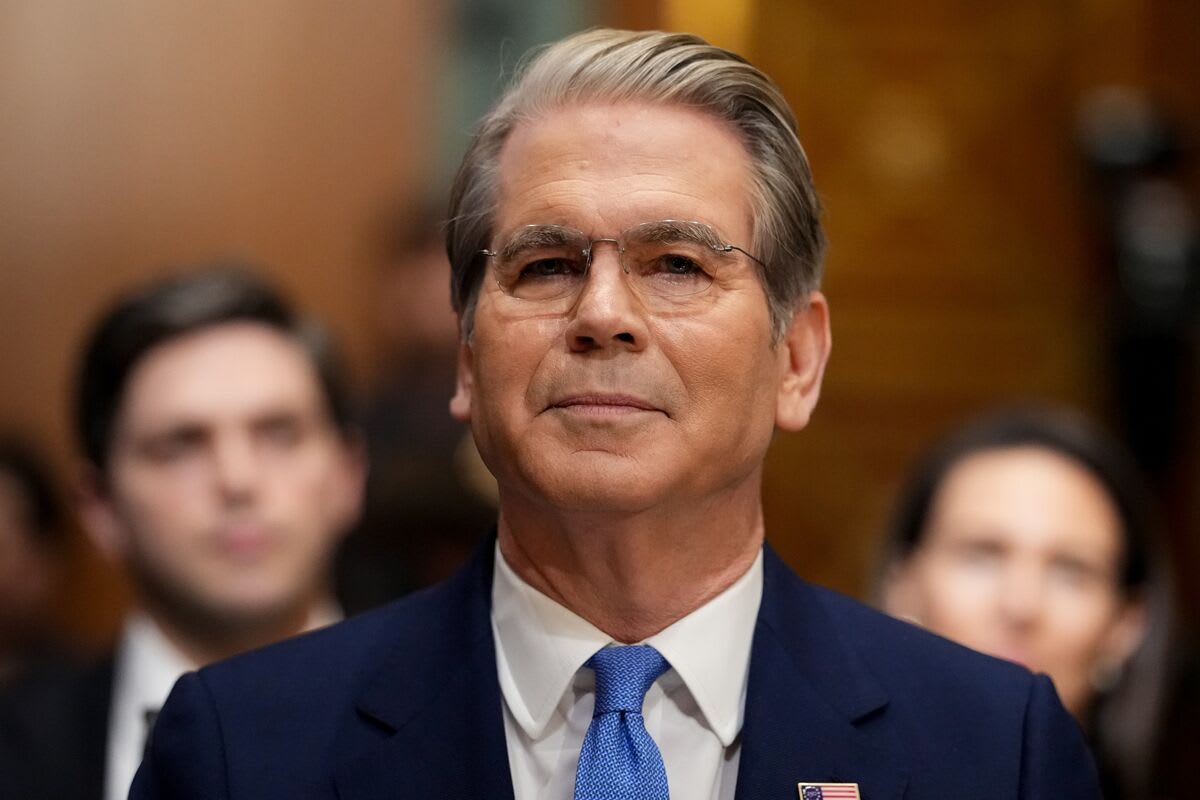
reutersbloomingbit+1reuters+1U.S. Treasury Secretary Scott Bessent said on Sunday that recent yen moves were "pretty well contained," downplaying the need for another joint currency intervention while signaling support for the Bank of Japan to continue raising interest rates. His remarks, made in an interview with Reuters, came as markets priced in an 88% probability of a BOJ rate hike at its September meeting.bloomingbit+1
Asked whether the BOJ should consider consecutive rate hikes to combat yen declines, Bessent said he expects Governor Kazuo Ueda to "do the right thing" on monetary policy with the backing of Prime Minister Sanae Takaichi.reuters+1
"I'm not going to tell them what to do," Bessent said. "I'm going to say that I do think that we probably reached the end of Abenomics, which was a reflationary program".reuters
Launched in 2013 under the late Prime Minister Shinzo Abe, Abenomics sought to break Japan out of prolonged deflation through massive monetary stimulus, fiscal spending, and structural reforms. Bessent said Japan has now "conquered" deflation and shifted to what he called "Takaichi-nomics," which he described as more shareholder-friendly with less government intervention.straitstimes+1
Bessent praised Ueda personally, calling him "a great economist" who is "under-rated in how savvy he is on markets". The two are set to meet on the sidelines of a Group of 20 finance ministers' gathering in Asheville, North Carolina, beginning on Monday.straitstimes+1
The yen slid below 160 per dollar on Friday, a threshold widely viewed as raising the likelihood of intervention. Yet Bessent's characterization of the moves as "pretty well contained" contrasted with his stance a month earlier, when a rare joint U.S.-Japan yen-buying intervention on July 31 was aimed at countering what he then called "disorderly" moves.straitstimes
The weak yen has pushed up import prices and fueled broader inflation in Japan, complicating the BOJ's cautious approach to tightening. Sources have told Reuters the BOJ is set to raise rates as soon as September and is considering hiking more aggressively than its current pace of roughly twice a year.reuters+1
Overnight index swaps showed an 88% chance of a rate increase at the BOJ's September 17–18 meeting, which would follow a hike in June. A September move could fuel expectations that the BOJ will begin raising rates once every quarter, some analysts say.bloomingbit+1
Ueda said in July that the BOJ would focus on mounting inflation risks and would not rule out accelerating rate increases if financial conditions were deemed too loose. Bessent's repeated public encouragement for BOJ normalization has itself been among the factors driving market pricing higher.straitstimes+1