Newsletter Subscribe
Enter your email address below and subscribe to our newsletter
[forminator_form id="25163"]

All voices matter
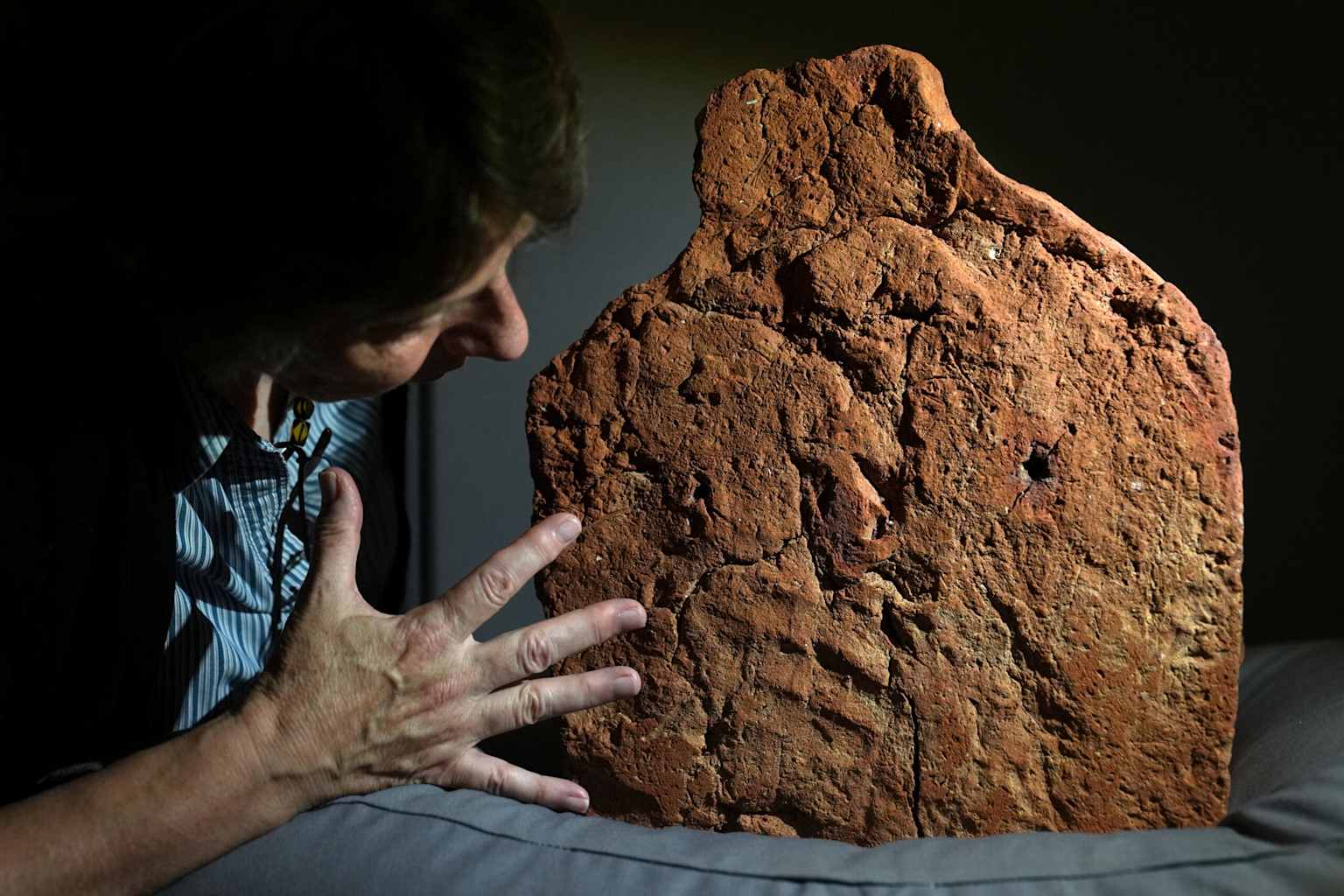
themedialine+2.themedialine+2.themedialine+2.themedialine+2.themedialine+2.Researchers at Cambridge University's Fitzwilliam Museum have discovered a complete 4,000-year-old handprint on an ancient Egyptian "soul house" while preparing for their upcoming exhibition. The rare find, dating from Egypt's Middle Kingdom period (2055-1650 BC), was found pressed into the underside of the clay funerary model and likely belonged to the potter who created it.themedialine+2
The handprint was discovered during preparations for the "Made in Ancient Egypt" exhibition, which opens October 3 at the Fitzwilliam Museum. Helen Strudwick, senior Egyptologist at the museum and exhibition curator, called the discovery "rare and exciting," noting she had "never seen such a complete handprint on an Egyptian object before".news.artnet+3
The soul house, a clay model resembling a two-story building with pillars, was constructed using a wooden framework that was then coated with clay. During the firing process, the wooden frame burned away, leaving hollow spaces. The handprint was likely made when the potter moved the piece from the workshop to dry before kiln firing.news.artnet+2
"You can just imagine the person who made this, picking it up to move it out of the workshop to dry before firing," Strudwick told the BBC. "Things like this take you directly to the moment when the object was made and to the person who made it, which is the focus of our exhibition".egyptianstreets+1
The soul house features an open front space displaying symbolic food offerings including bread loaves, lettuce, and an ox head. These clay models were placed in Egyptian tombs to serve as dwelling places for deceased souls and surfaces for mourners' offerings.cam+2
The discovery illuminates a typically overlooked aspect of ancient Egyptian civilization. While pharaohs and golden treasures dominate popular attention, little is known about the craftspeople who created everyday objects. According to the Cambridge researchers, potters were often considered of low social status compared to goldsmiths or stonemasons.themedialine+2
"Unlike many other ancient Egyptian crafts, relatively few details of potters at work survive which makes the discovery of a complete handprint even more important," the museum noted. The "Made in Ancient Egypt" exhibition specifically aims to showcase the anonymous artisans behind Egypt's archaeological treasures, featuring jewelry, ceramics, and sculptures that reveal the lives and techniques of ancient craftspeople.cam+2