Newsletter Subscribe
Enter your email address below and subscribe to our newsletter

All voices matter
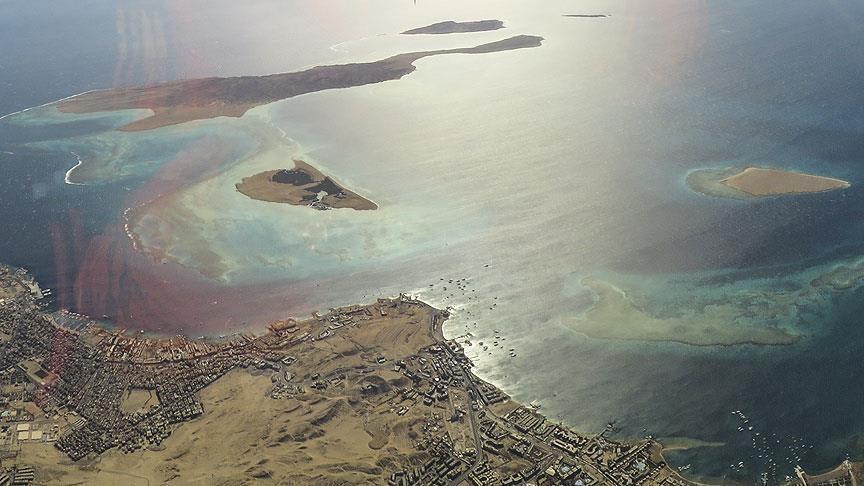
iea+1cnbccnbc+1The International Energy Agency said Friday that global oil demand is set to decline by 1 million barrels per day in 2026, marking the first annual contraction since the COVID-19 pandemic cratered consumption in 2020. The agency's July Oil Market Report attributed the drop largely to the disruption caused by the US-Iran conflict and the near-closure of the Strait of Hormuz.iea+1
According to the IEA, annual demand contractions are expected to ease from 4.8 million barrels per day in the second quarter of 2026 to 1.7 million bpd in the third quarter, followed by a rise of 1.2 million bpd in the fourth quarter — resulting in the overall annual decline of 1 million bpd. The forecast represents a worsening from the agency's May report, which projected a full-year decline of 420,000 bpd.iea+1
The US Energy Information Administration had separately forecast a steeper drop, projecting global oil consumption would decrease by an average of 1.2 million bpd in 2026.eia
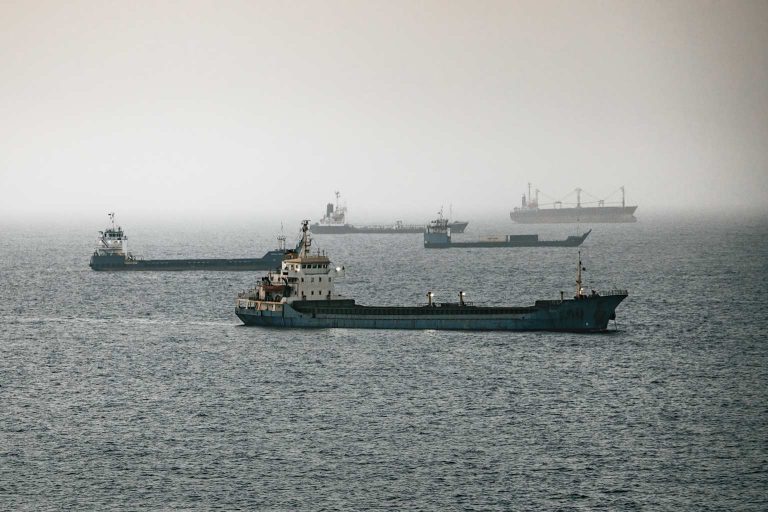
The demand picture has darkened as a fragile US-Iran ceasefire collapsed. The two sides had signed a memorandum of understanding on June 17 to reopen the Strait of Hormuz, with Tehran promising safe passage to ships for 60 days. But renewed Iranian attacks on commercial vessels this week sent tanker traffic plunging — only 13 tankers crossed the strait on Wednesday, compared with an average of 33 per day the previous week, according to Kpler.cnbc
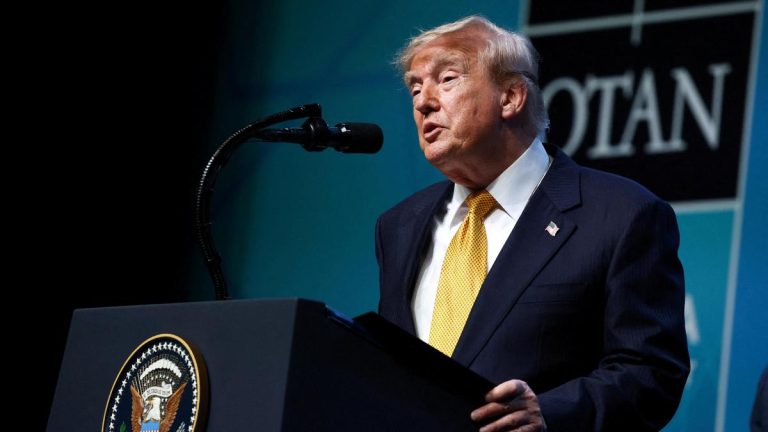
NPR reported that shipping through the strait came to "a standstill" after President Trump declared an end to the ceasefire on July 8, pushing oil prices up 5% to 6%. The Council on Foreign Relations warned days earlier that the ceasefire was "on the verge of collapse".cfr+1
While the IEA noted that global oil supply posted its largest monthly increase in June as Hormuz shipments partially resumed during the short-lived ceasefire, supply remained well below pre-war levels. Shipping through the strait had been largely blocked since Iran first closed it on February 28.wikipedia+2
Oil prices have rallied more than 6% this week as investors brace for a prolonged disruption, though prices remain below their spring wartime peaks. The IEA warned that renewed escalation could threaten its forecast of a large oil market surplus emerging in 2027.cnbc+2