


Newsletter Subscribe
Enter your email address below and subscribe to our newsletter
[forminator_form id="25163"]

All voices matter
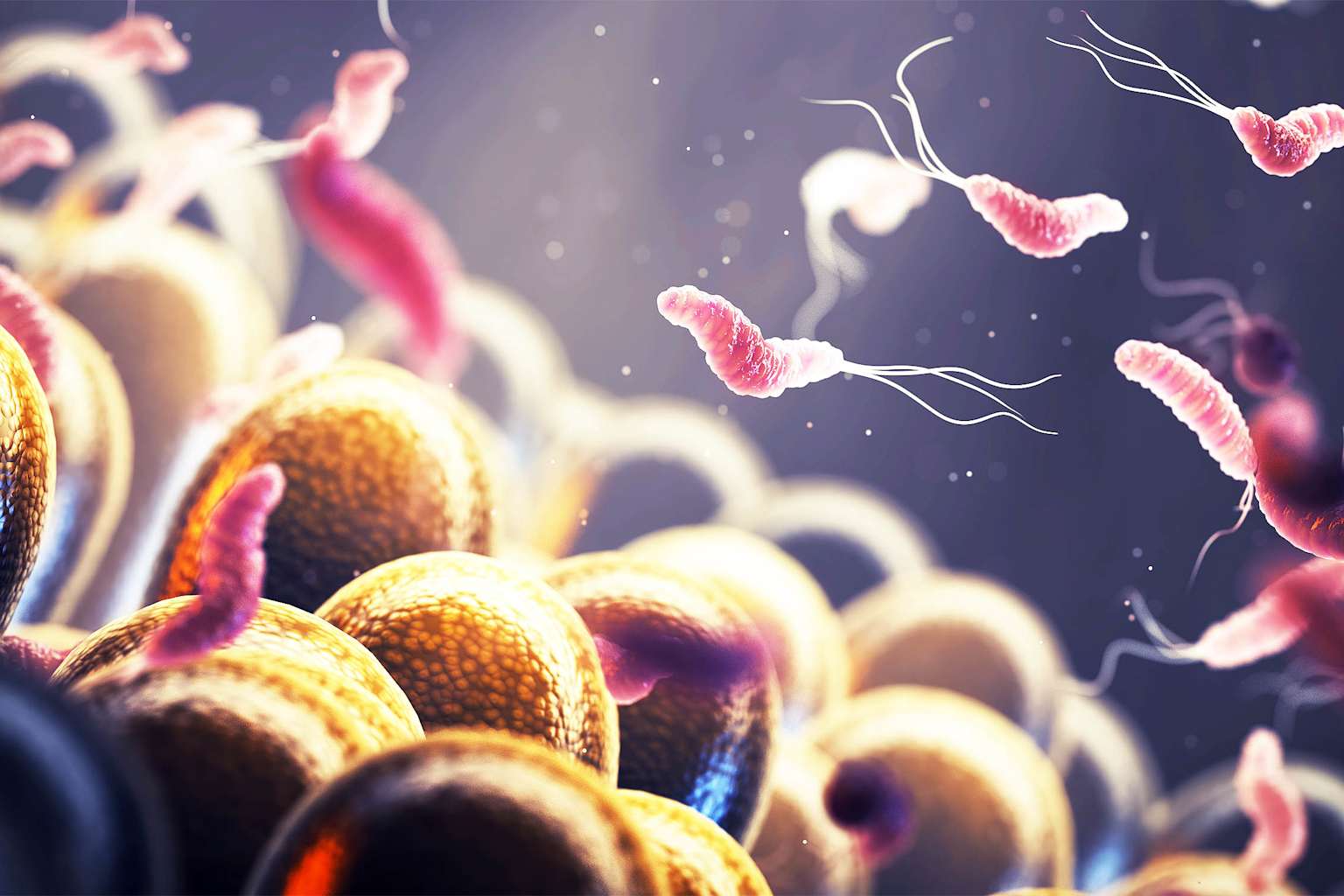
nature+1nature+1insideprecisionmedicineA new study published in Nature on July 8 reveals a counterintuitive finding: a high-fat diet that promotes obesity can, when paired with the right gut bacteria, enhance the effectiveness of cancer immunotherapy. The research demonstrates that the bacterium Lactobacillus johnsonii, which becomes enriched in mice fed obesogenic diets, works synergistically with that diet to promote tumor regression during treatment with immune checkpoint inhibitors.nature+1
The study, led by researchers at McGill University including Lysanne Desharnais and Anikka Swaby, builds on earlier observations that patients with obesity sometimes respond better to checkpoint inhibitor therapies — a paradox given that obesity generally worsens cancer outcomes. The team set out to understand the mechanism behind this effect by examining how diet reshapes the gut microbiome and, in turn, anti-tumor immunity.x+1
Using mouse models, the researchers found that L. johnsonii flourished in animals consuming high-fat diets. When antibiotic-treated mice were supplemented with L. johnsonii while maintained on a high-fat diet, the combination led to complete tumor clearance during checkpoint inhibitor treatment. Neither the bacterium alone nor the diet alone was sufficient — the synergy between the two proved essential.insideprecisionmedicine+1
The team identified the microbial metabolite desaminotyrosine as a critical immunomodulator driving the enhanced anti-tumor response. Desaminotyrosine, produced by gut bacteria, has previously been shown to modulate type-I interferon signaling and promote T-cell priming. In the new study, the metabolite was enriched by the diet-microbiome interaction and contributed to the improved therapeutic outcomes.pubmed.ncbi.nlm.nih+2
The findings open potential avenues for dietary and microbial interventions designed to improve immunotherapy responses, particularly in patients with obesity. While previous research has focused on high-fiber diets and their positive effects on immunotherapy, this study suggests that even obesogenic dietary patterns may offer therapeutic leverage when their microbial consequences are properly harnessed.aacr+1
The work adds to a growing body of evidence linking gut microbiome composition to checkpoint inhibitor efficacy and could eventually inform clinical strategies combining dietary modification with probiotic supplementation to optimize cancer treatment outcomes.


