Newsletter Subscribe
Enter your email address below and subscribe to our newsletter
[forminator_form id="25163"]

All voices matter
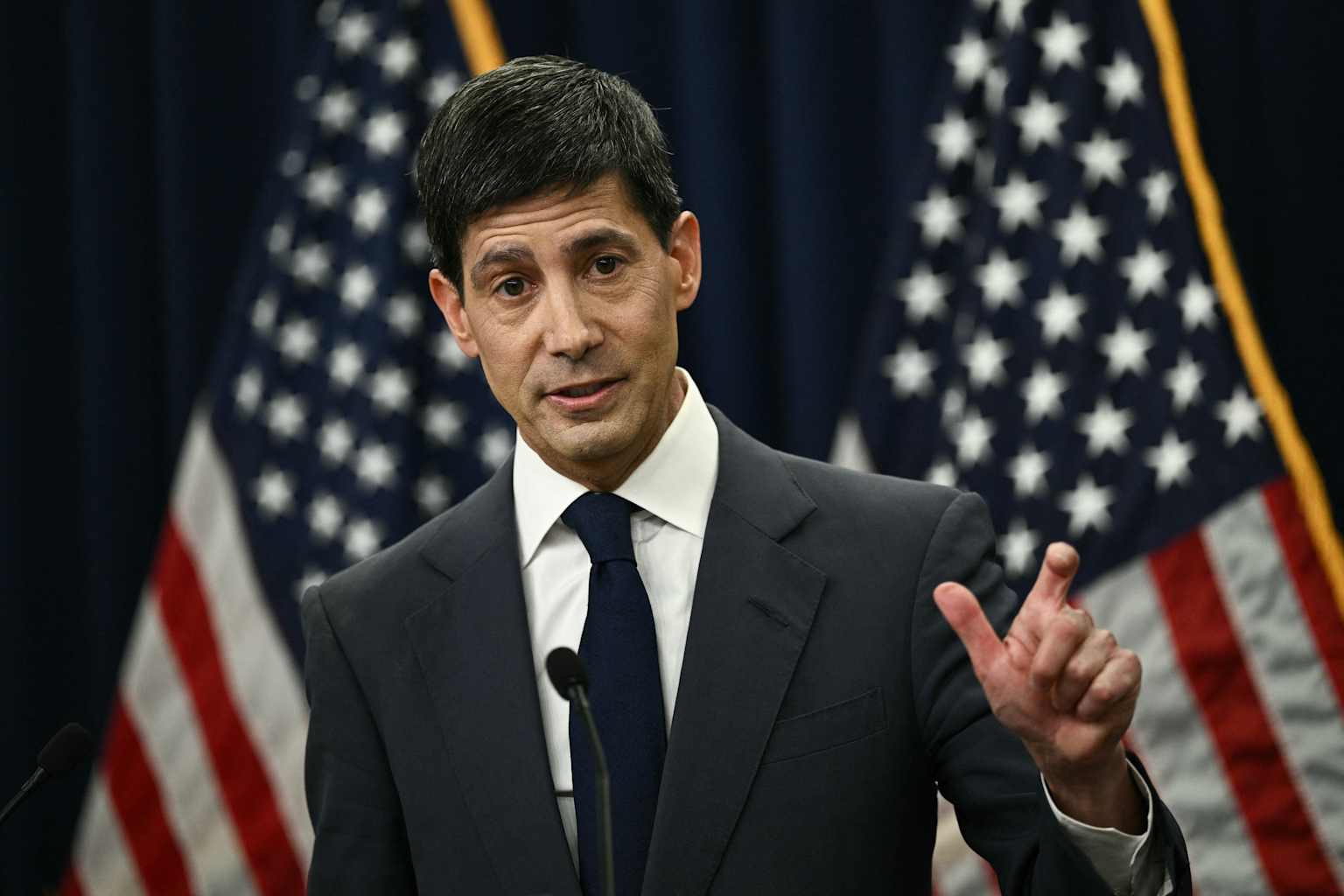
reuters+1reuters+1freemalaysiatoday+1Asian share and bond markets opened the third quarter on a guarded note on Wednesday as the Japanese yen sank to fresh four-decade lows, U.S.-Iran diplomatic efforts faltered, and Federal Reserve Chair Kevin Warsh reinforced his hawkish stance from Portugal.
The yen weakened past 162.7 per dollar on Wednesday, extending a slide that began earlier in the week when it breached the 162 level for the first time since December 1986. The currency has now fallen for four consecutive quarters against the dollar, weighed down by a persistent interest-rate gap between the United States and Japan.japantimes+2
Japan's Finance Minister Satsuki Katayama said Tuesday that the government was prepared to take "decisive action" against excessive currency moves, a warning that kept traders on edge. Between late April and late May, Japanese authorities spent a record 11.7 trillion yen — roughly $72.5 billion — buying yen in the open market, but those gains have since evaporated. The USD/JPY pair held near 162.7 on Wednesday, a level that analysts at Citigroup had previously identified as a threshold likely to provoke fresh intervention.cnbc+3
Speaking at the European Central Bank's annual forum in Sintra, Portugal, Fed Chairman Warsh said he would "disappoint" anyone expecting loose monetary policy, reaffirming the central bank's commitment to its 2% inflation target despite President Donald Trump's public calls for rate cuts. He declined to signal what the Fed might do at its July 28-29 meeting, consistent with what Barron's News Corp described as his "new policy against offering signals".cnbc+2
Futures markets priced in roughly a 33% chance of a rate hike at the July meeting and about 70% odds of a move by September, according to Reuters Thomson Reuters Corporation , after strong labor-market data — including job openings hitting a two-year high — reinforced the case for tighter policy. The yield on the 10-year U.S. Treasury note climbed to around 4.55% after jumping nine basis points on Tuesday.freemalaysiatoday+2
Oil prices declined sharply on Wednesday as progress in U.S.-Iran talks eased supply concerns. Brent crude fell more than 1% to its lowest level in four months after Trump said talks in Qatar had gone well, even as Iran's foreign ministry denied that direct meetings had taken place. Both benchmarks have tumbled roughly 30% from their May peaks, when the Strait of Hormuz crisis pushed Brent above $126.dw+3
Across Asia, markets were mixed. Japan's Nikkei 225 climbed about 1%, buoyed by the weak yen's boost to exporters, after surging 37% in the second quarter. The Kospi in South Korea and the Hang Seng in Hong Kong traded lower, while the S&P 500 futures edged down after Wall Street posted its best quarter since 2020.home+2