Newsletter Subscribe
Enter your email address below and subscribe to our newsletter

All voices matter
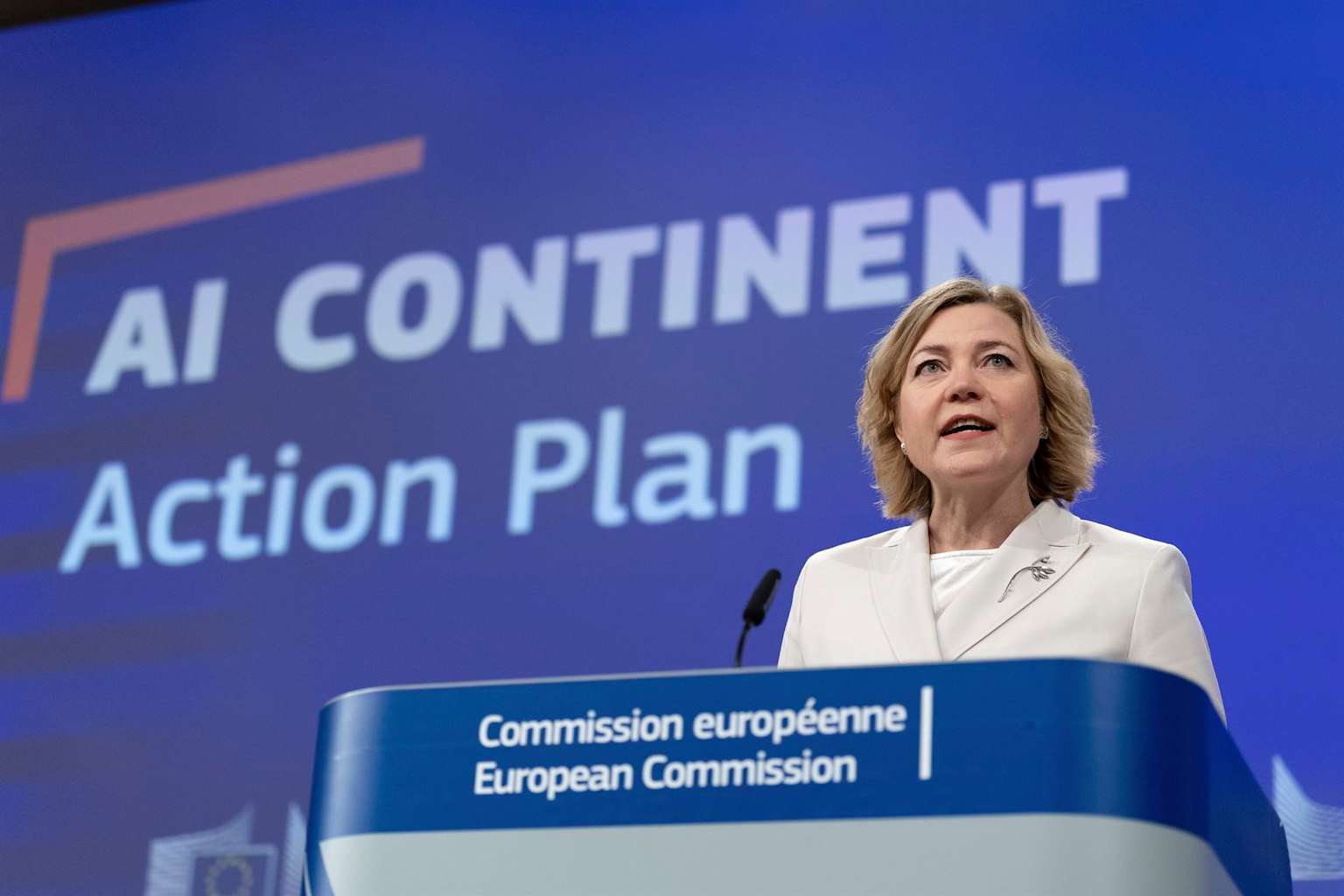
euractiv+1reuters+1commission.europaThe European Commission unveiled a new action plan on Tuesday addressing the risks and opportunities of advanced artificial intelligence in cybersecurity, including language about contingency measures should access to powerful AI models be withdrawn — a direct response to the disruption caused when the United States temporarily banned foreign access to Anthropic's most advanced systems earlier this summer.
The plan follows weeks of turbulence in the AI sector after the Trump administration issued an export control directive on June 12 ordering Anthropic to immediately suspend access to its Fable 5 and Mythos 5 models for all foreign nationals, including the company's own employees abroad. Anthropic was forced to disable both models for all customers to ensure compliance.reuters+1
The Commerce Department partially reversed course on June 27, allowing select U.S. organizations to use Mythos 5, before fully lifting the export controls on June 30 in a letter from Commerce Secretary Howard Lutnick to Anthropic. Anthropic Alphabet Inc. rival OpenAI also agreed to let the administration vet companies seeking access to its newest model during this period.npr+2
Though the restrictions have been lifted and Fable 5 is now available globally, the EU still does not have access to Mythos 5, according to Euractiv.euractiv
Tech Commissioner Henna Virkkunen announced on Tuesday a plan to establish an "EU evaluation capacity" for advanced AI models, expected to become operational in 2027. The capacity would give AI providers a European option for conducting third-party evaluations required under the EU's AI Act while also supporting enforcement by the EU's AI Office.commission.europa+1
The plan includes guidance — described as a "blueprint" — on how AI providers can safely give European organizations access to models. It also references "contingency measures" if companies or governments withdraw access, and notes that the Commission and EU member states could step in to purchase model access if needed.euractiv
The episode has accelerated broader EU discussions around reducing dependence on American AI providers. Reuters Thomson Reuters Corporation reported in late June that European firms were already moving to spread their risk across multiple AI providers following the restrictions. The Commission's plan builds on its existing Tech Sovereignty Package, which includes proposed AI Factories and future Gigafactories infrastructure.reuters+1
The Chatham House think tank noted that the recurring policy reversals send "mixed signals" on AI governance and raise questions about whether allies can rely on uninterrupted access to American frontier models — a concern the EU's Tuesday announcement appears designed to address.chathamhouse