


Newsletter Subscribe
Enter your email address below and subscribe to our newsletter

All voices matter
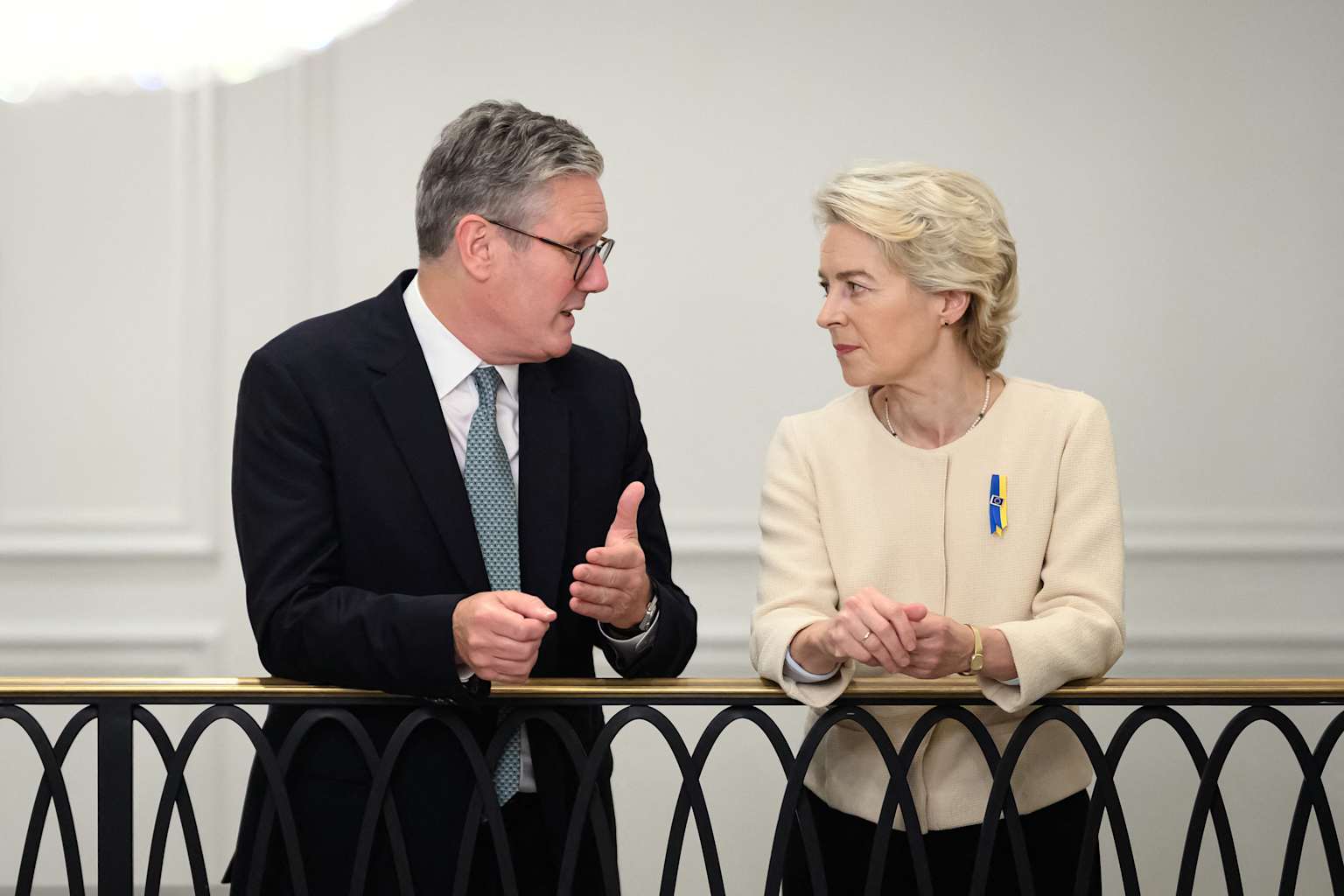
ftlinkedin+1reuters+1Brussels has rebuffed a British request to participate in EU decision-making, creating a fresh obstacle to the already delayed reset of post-Brexit relations between the United Kingdom and the European Union, according to the Financial Times.ft+1
The rejection underscores a fundamental tension at the heart of the ongoing negotiations: as the UK moves toward dynamic alignment with EU rules — particularly in areas such as food safety and energy — London has sought a meaningful say in how those rules are shaped. European officials, however, have drawn a firm line, insisting that non-members cannot hold decision-making power within the bloc's institutions.
The dispute centers on governance arrangements in the planned sanitary and phytosanitary agreement, under which Great Britain would dynamically align with EU regulations on food safety, animal health, plant health, and related areas. In return for adopting EU standards, the UK has pushed for more than the consultative role Brussels is willing to offer. European officials have indicated they will "consult the United Kingdom at an early stage of policy-making" but will not grant it a seat at the decision-making table.linkedin+2
The Institut Delors noted earlier this year that alignment "essentially means accepting European law as it stands, with little exemption possibilities, let alone shaping it upstream, unlike the Member States".institutdelors
The rejection adds further complexity to negotiations already disrupted by political upheaval in London. The EU-UK summit originally planned for July 22 was postponed after Prime Minister Keir Starmer announced his resignation on June 22. Brussels is now awaiting the conclusion of Labour's leadership contest, with Andy Burnham expected to take over as prime minister as early as July 17 if his bid goes unopposed.politico+2
UK EU negotiator Nick Thomas-Symonds traveled to Brussels on July 1 to keep talks on agricultural and trade pacts on track, with mid-October now seen as the most likely window for a rescheduled summit. Thomas-Symonds described closer EU ties as "crucially important" in volatile times.reuters+1
The disagreement over governance reflects the broader challenge facing the UK-EU relationship a decade after the Brexit referendum. The SPS agreement, an emissions trading deal, and a youth mobility scheme were all expected to be concluded at the now-postponed summit. The SPS deal alone is not expected to take effect until mid-2027.youtube+3
Whether the incoming British leader will accept EU terms — or press for further concessions on decision-making — remains an open question that could define the next chapter of post-Brexit relations.


