Newsletter Subscribe
Enter your email address below and subscribe to our newsletter

All voices matter
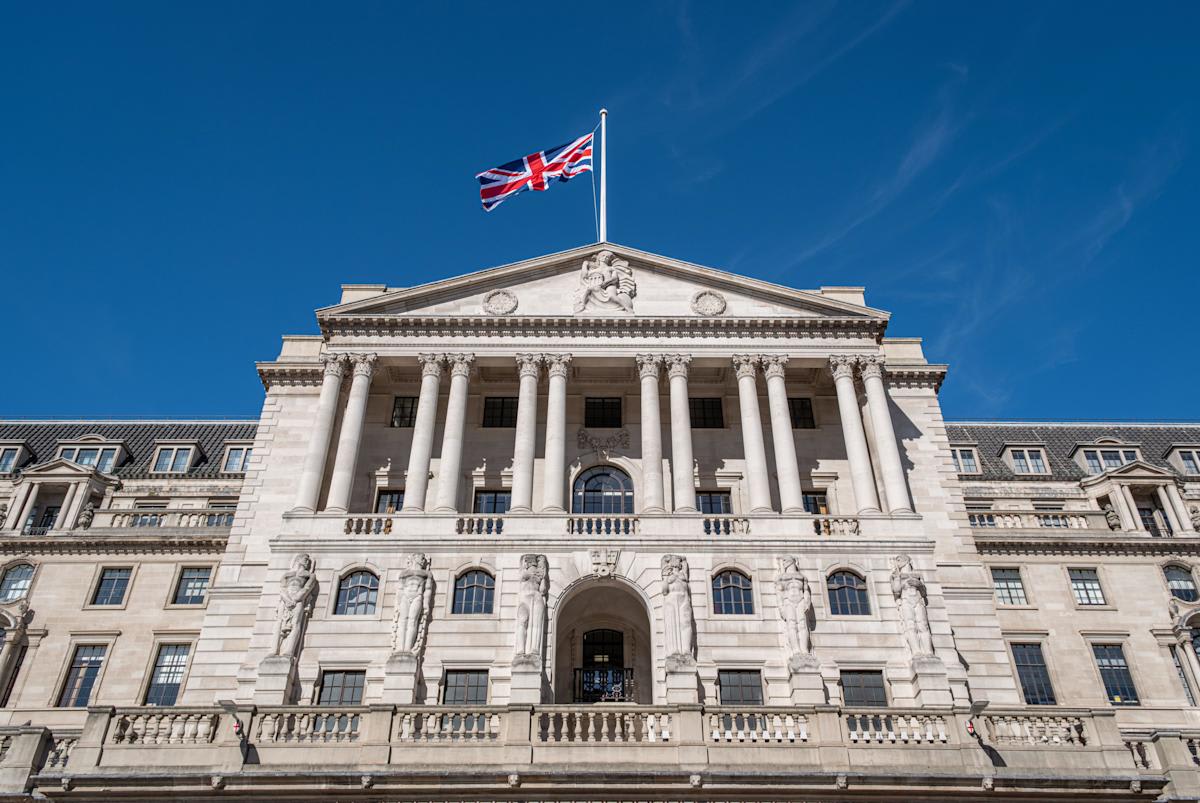
wtvbam+1letsdatascience+1bisThe Bank of England London Stock Exchange declared on Tuesday that artificial intelligence poses a growing threat to financial stability, warning that heavy investor bets on the technology's success and AI firms' mounting debt levels could amplify a market downturn if expectations are not met.
In its half-yearly Financial Stability Report published July 7, the central bank said that while previously identified risks from stretched share valuations, high public debt, and risky private credit lending persist, new dangers have emerged since its last assessment. These include hedge funds and other investors borrowing to buy shares, AI-related companies taking on heavy debt to fund investments, and rapid growth in AI's capacity for harm.wtvbam+1
"A reassessment of these prospects could trigger a fall in equity prices that might be amplified by high concentration, correlated momentum-driven positions that can exacerbate volatility as markets fall, and increased leverage," the Bank said. It added that a lack of transparency about how AI companies borrow could worsen any crisis.wtvbam
For investor bets to pay off, the Bank said there would need to be widespread profitable adoption of AI, effective infrastructure build-out, and easy access to financing for the sector. The report also flagged cybersecurity risks, noting uncertainty over whether advancing AI strengthens attackers or defenders of financial systems.wtvbam
The Bank of England's warning comes days after NOTUS reported that a draft U.S. Treasury Department report likens aspects of the AI market to the dotcom bubble that devastated the economy in the early 2000s. According to NOTUS, the draft warns that AI firms are more embedded in the U.S. economy than dotcom-era companies were, meaning stress could ripple through stock markets, private credit, data-center financing, cloud providers, chipmakers, and utilities.letsdatascience+2
The draft was prepared for Treasury Secretary Scott Bessent, Federal Reserve Chair Kevin Warsh, and federal financial regulators but had not received formal approval. A Treasury spokesperson told NOTUS the findings were unvetted and did not represent official policy.seekingalpha+1
The warnings reflect a broader regulatory shift. At the end of June, Bank of England Deputy Governor Sarah Breeden signaled the need for bespoke AI regulation, particularly to address risks from agentic AI systems capable of acting with limited human oversight. "Our frameworks were not built to contemplate autonomous agents, and relying on a human in the loop for all agent actions is unlikely to be realistic," Breeden said.wtvbam
The Bank for International Settlements similarly flagged AI-related financial risks in its annual report published late June, noting that while AI-driven progress helped the global economy weather shocks, mounting risks demand prioritizing financial stability.bis