Newsletter Subscribe
Enter your email address below and subscribe to our newsletter
[forminator_form id="25163"]

All voices matter
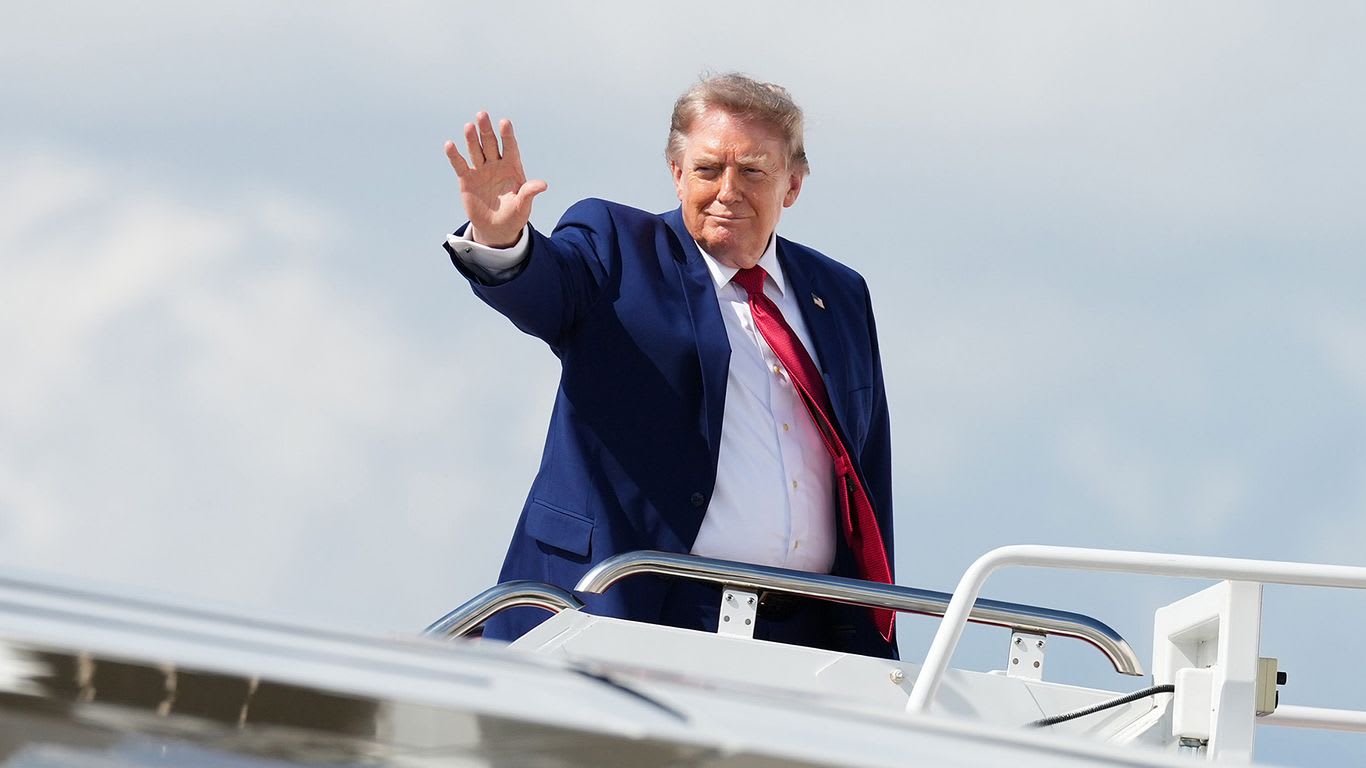
axios+1axios+1axiosPresident Trump told Axios on Sunday that the United States is "low keying it" with Iran, signaling a deliberate shift toward letting economic pressure erode Tehran's position rather than ordering a resumption of major combat operations.axios
"We are only semi-negotiating with them. We are just watching Iran with its huge inflation and the fact they have no money," Trump said during a brief phone call with Axios reporter Barak Ravid. The remarks came just one week after Trump was reportedly on the verge of ordering a return to large-scale military strikes against Iran.timesofisrael
Trump described Iran as "in very bad shape" economically and unable to pay its troops, crediting the U.S. naval blockade with deepening Tehran's financial crisis. He noted that with oil prices holding slightly above $75 a barrel, American consumers are feeling less pain from the conflict. "It will work out. It always works out. It's like a chess game," he said.reuters+1
The shift in tone comes as negotiations over reopening the Strait of Hormuz have stalled. A draft agreement among Iran, Oman, and the United States — which would have granted Tehran partial control over maritime traffic in the waterway — had been expected to be announced days ago after Qatari and Pakistani mediators expressed confidence in its completion.axios
On Saturday, however, Mohammad Bagher Zolghadr, head of Iran's Supreme National Security Council, publicly issued sweeping new preconditions for reopening the strait, including a permanent end to hostilities, full withdrawal of U.S. forces from the region, lifting of all sanctions, and compensation for war damages. These demands had previously been framed as prerequisites for a nuclear deal — not merely for restoring shipping.royanews+1
U.S. officials say growing divisions within the Iranian regime are complicating diplomacy. A faction led by President Masoud Pezeshkian reportedly fears economic collapse and favors compromise, while a hardline camp led by IRGC Commander Ahmad Vahidi rejects concessions. A diplomat from one of the mediating countries told Axios that Zolghadr's statement reflected this internal power struggle.royanews+1
Meanwhile, approximately 8 million barrels of oil continue to transit the Gulf nightly through the southern lane of the strait under U.S. military coordination, with Washington seeking to maximize exports while no formal agreement is in place.axios
Vice President Vance framed the broader strategy on Fox News Saturday: "We're in the middle of the game, and we're applying a whole host of tools — diplomatic, economic, military tools — to ensure that we get the best outcome for the American people."royanews