Newsletter Subscribe
Enter your email address below and subscribe to our newsletter
[forminator_form id="25163"]

All voices matter
african+1rawstory+1cnn+1The 2026–2027 El Niño is on track to become the strongest ever recorded, with the Australian Bureau of Meteorology reporting that July's Southern Oscillation Index plunged to -29.1 — far below the -7 threshold that typically signals El Niño conditions. Multiple forecasting agencies now agree the event is barreling toward unprecedented intensity, raising alarms about drought, flooding, and extreme heat across the globe.african
The Bureau of Meteorology, which officially declared El Niño in June, now predicts the event "is likely to peak at levels among, or above, the highest observed since 1950". The Niño3.4 index — a key measure of Pacific sea surface temperatures — reached +1.94°C for the week ending July 26, well above the El Niño threshold of +0.80°C and still climbing.bom+2
The European weather model (ECMWF) projects the event will peak near +4.0°C above average in the tropical Pacific this December, which would obliterate the previous record. The strongest El Niños previously recorded, in 1997–98 and 2015–16, topped out around +2.6°C. Yale Climate Connections reported in July that multiple models indicate the event could peak around 3.6°C, while NOAA's latest forecast puts the odds of a "very strong" event at 81% for October through December.rawstory+3
Meteorologist Jeff Berardelli captured the disbelief among forecasters: "If you had asked us if something like this was possible a year ago, it would have probably been a definitive no," he wrote, noting the event is already running more than a degree — and three months — ahead of the 1997 El Niño.rawstory
CNN reported Monday that the predicted record peak makes it "even more likely that 2026 and 2027 will set records for the warmest years on record". Oxford Economics Africa warned the event "poses significant risks for Africa, where drought and flooding could reduce agricultural output and weigh on economic growth".cnn+1
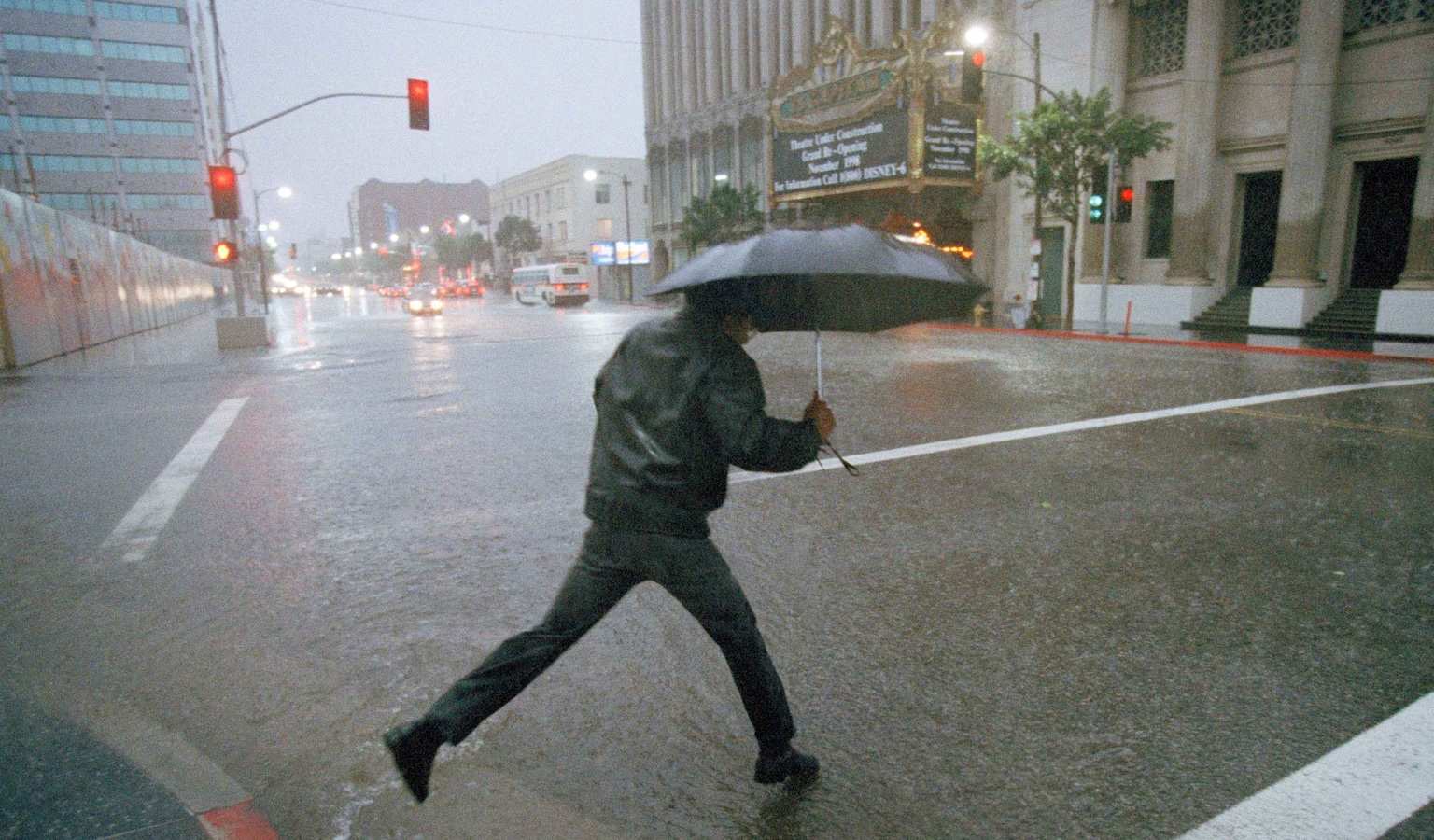
In the United States, forecasters project deluges from atmospheric rivers in California, a warm Canadian winter, and ice-storm-prone conditions from Texas across the Southeast. The World Meteorological Organization has flagged heightened risks of drought, flooding, and heat globally, with past super El Niños linked to trillions of dollars in economic losses.rawstory
Meteorologist Ryan Maue wrote that the super El Niño will "perhaps be the strongest in 500 to 1000 years" and "could legitimately be the most extreme global weather or climate event experienced by humanity since the invention of the printing press". The World Economic Forum has called the coming event "more than a climate event," warning it could hit global food and energy systems simultaneously.rawstory