Newsletter Subscribe
Enter your email address below and subscribe to our newsletter
[forminator_form id="25163"]

All voices matter
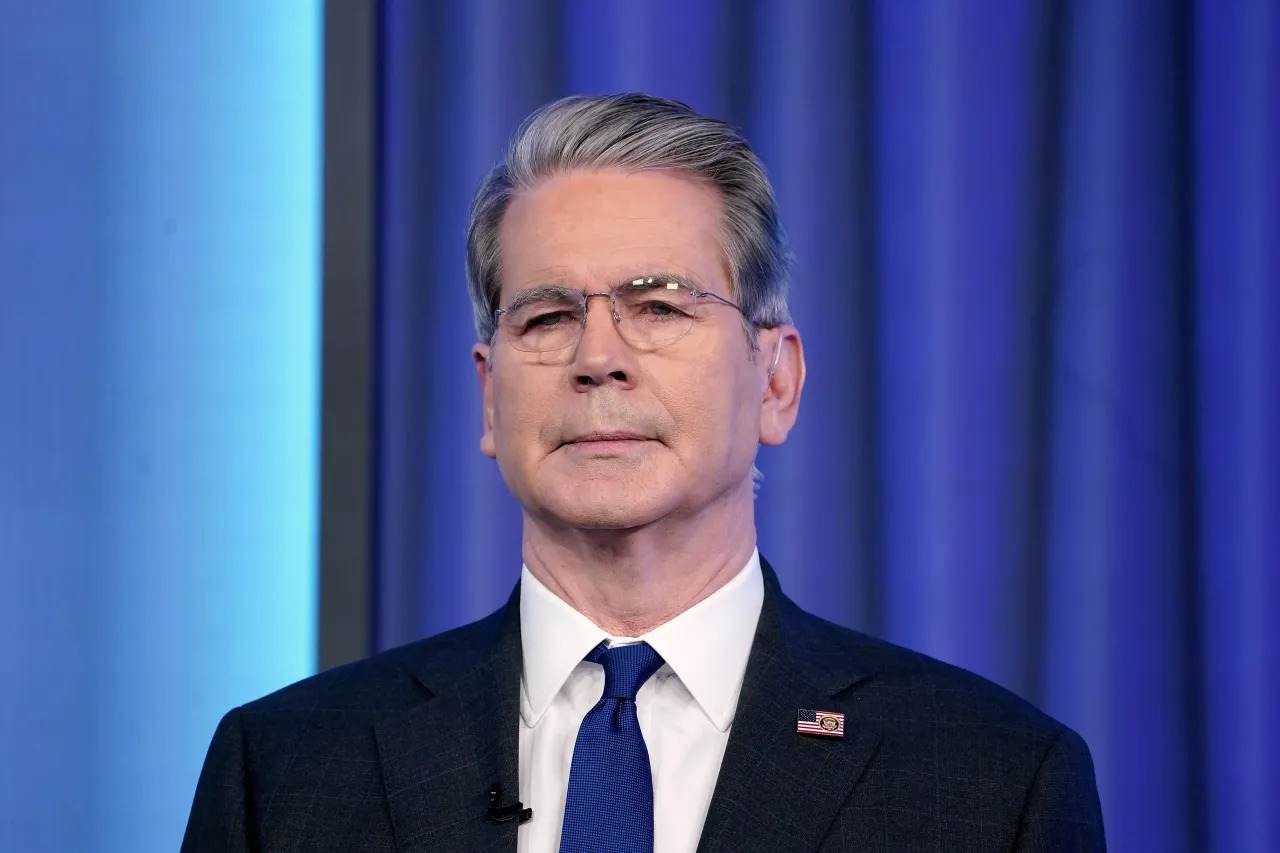
koreajoongangdaily+1aljazeera+1koreatimes+1U.S. Treasury Secretary Scott Bessent flagged "excess volatility" in the South Korean won during a CNBC interview on Tuesday, linking the currency's instability to broader regional dynamics following a rare joint U.S.-Japan intervention to prop up the yen last week.
The remarks came days after Washington and Tokyo confirmed their first coordinated yen-buying operation since 1998, a move aimed at halting the Japanese currency's slide to 40-year lows against the dollar. Japan's Finance Ministry said the intervention addressed "excessive volatility and disorderly movements" in the yen, while Bessent confirmed the U.S. would "not hesitate to participate in further joint intervention".aljazeera+1
In Tuesday's interview, Bessent framed yen stability as essential for the entire Asia-Pacific region. "If the yen were to weaken substantially, then the other currencies would follow it," he said. Drawing on historical parallels, he argued that the 1997 Asian financial crisis was partially triggered by an "overly weak" yen.koreajoongangdaily+2
Bessent's reference to the Korean won appears tied to concerns that currency instability could complicate Seoul's execution of a $350 billion investment commitment to the United States under last year's trade deal. In January, when the won depreciated, Bessent had similarly noted the weakness was "not in line with Korea's strong economic fundamentals" — a remark observers characterized as a verbal intervention.yna+1
The joint yen intervention has raised hopes among analysts that the Korean won could also strengthen. According to the Korea Herald, the coordinated action is "giving the Korean won renewed tailwind".koreaherald
On the future of the yen carry trade, Bessent predicted it would persist, citing Japan's vast foreign asset holdings accumulated over decades. "Japan Inc. — since the '70s, '80s, all through the '90s up until now — has accumulated substantial overseas assets, and I see no reason for that to stop," he said. But he cautioned that "the level of the yen could trigger other problems or trigger competitive devaluations, which is unhealthy".koreatimes+2
Asked about further intervention, Bessent said Washington remains in "close" and "constant" communication with Tokyo and will "do whatever it takes" to support Japan in a way that stabilizes the global economy.koreajoongangdaily+2