Newsletter Subscribe
Enter your email address below and subscribe to our newsletter
[forminator_form id="25163"]

All voices matter
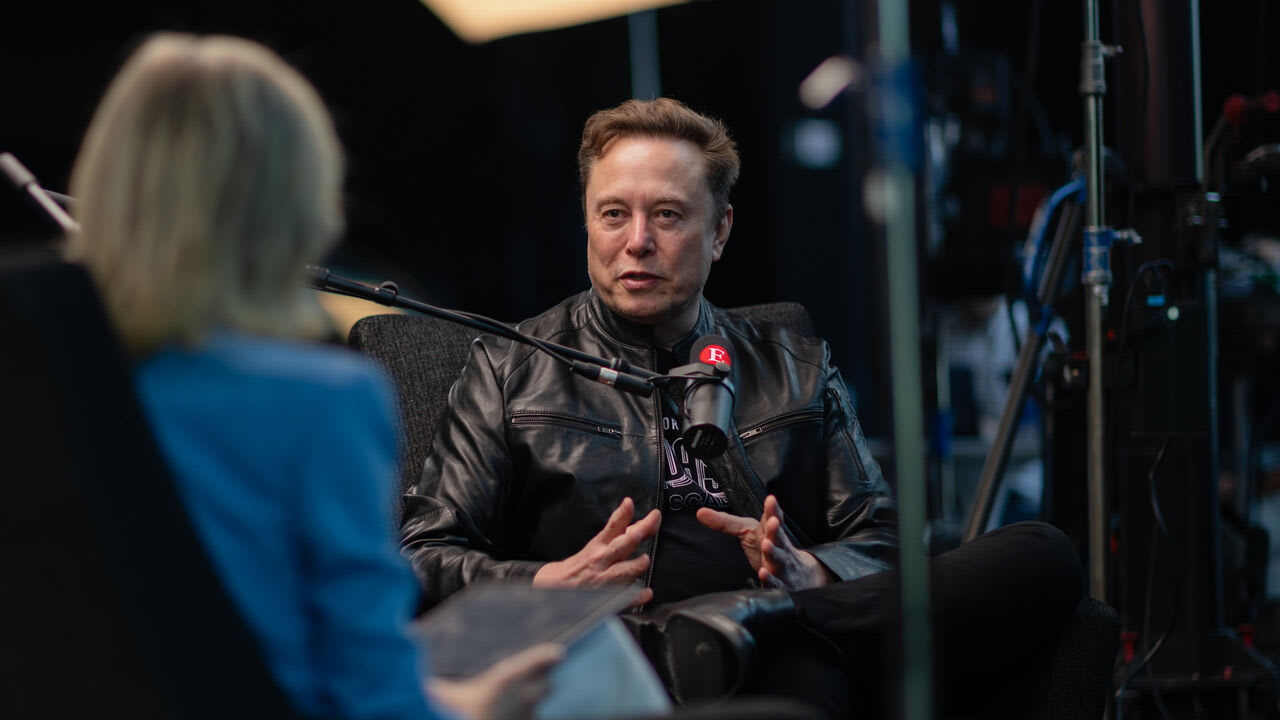
aol+1yahoo+1nytimes+1In an interview with The Economist published this week, Elon Musk acknowledged that his role in founding OpenAI nearly a decade ago had the unintended consequence of speeding up the very artificial intelligence arms race he sought to prevent. The admission came as part of a wide-ranging conversation with the publication's editor-in-chief, Zanny Minton Beddoes, conducted at a Tesla factory.businessinsider+1
Musk co-founded OpenAI in 2015 as what he described as "essentially a counterweight to Google Alphabet Inc. ," which at the time dominated AI research. But the effort to distribute AI power more broadly appears to have had the opposite effect. "These actions have actually resulted in knock-on effects that accelerated AI, which wasn't really my intention," Musk told The Economist.aol+3
As Musk sees it, OpenAI's creation set off a chain reaction. Anthropic, which spun out of OpenAI in 2021, has emerged as a leading competitor — a company Musk himself earlier this month called "obviously currently the leader in AI." Rather than slowing the concentration of power, the nonprofit he helped create spawned multiple well-funded rivals racing toward ever more capable systems.kucoin+3
Musk also reiterated his longstanding complaint that OpenAI abandoned its founding nonprofit mission and became what he called an "$800 billion for-profit company." His $150 billion lawsuit against OpenAI, CEO Sam Altman, and Microsoft was dismissed in May after a nine-member federal jury in Oakland, California unanimously found that Musk had waited too long to file, with all claims barred by the statute of limitations. The jury deliberated for less than two hours. Musk has pledged to appeal, calling the ruling a "calendar technicality."nytimes+4
Despite his concerns, Musk struck a fatalistic tone in the interview, predicting AI will exceed the sum of human intelligence "in about five years" and that humans will no longer be in control within a decade. He said he has reached "a philosophical conclusion to look on the bright side," adding that he sees no way to halt the "inexorable progress" of AI even if he wanted to. His proposed solution: leading AI companies should hold regular calls to discuss safety issues and allow competitors to review frontier models before release.yahoo+3
"Let's enjoy the ride," Musk said, "is my philosophy at this point."businessinsider