Newsletter Subscribe
Enter your email address below and subscribe to our newsletter
[forminator_form id="25163"]

All voices matter
groundreuters+1bbcThe 2026 FIFA World Cup, hosted across North America, has been dogged by a wave of officiating controversies that have placed video assistant referee technology at the center of a global debate about fairness, transparency, and the soul of the sport.
From the group stage through the knockout rounds, VAR interventions exceeded those of any previous World Cup, according to Reuters. Goals were disallowed for Germany, Croatia, and Iran in decisions that directly contributed to their eliminations. Germany's exit proved particularly contentious: FIFA referees chief Pierluigi Collina defended the call by citing tightened rules on players who "deliberately move, even marginally" to block opponents without attempting to play the ball. Croatia's equalizer was also ruled out, prompting a petition demanding FIFA disclose VAR audio and sensor data that gathered more than 3,500 signatures.reuters+3
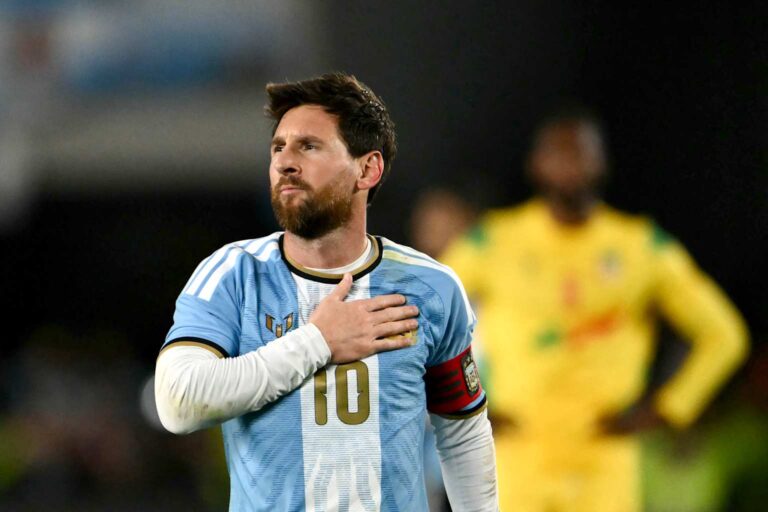
The most explosive controversy followed Egypt's 3-2 Round of 16 defeat to defending champions Argentina on July 7, in which the Egyptians blew a two-goal lead before Enzo Fernandez scored a stoppage-time winner. Egypt coach Hossam Hassan publicly accused FIFA of favoring Argentina and Lionel Messi, announced a personal boycott of the rest of the tournament, and cited a lack of "fair play" and "justice". His comments fueled the viral "VARgentina" conspiracy theory across social media. Hassan also made an anti-racism gesture directed at Messi during a post-match confrontation, drawing scrutiny from FIFA's Disciplinary Committee. FIFA launched an investigation into Hassan's conduct, though the Egyptian Football Association responded by extending his contract through 2030.beinsports+5
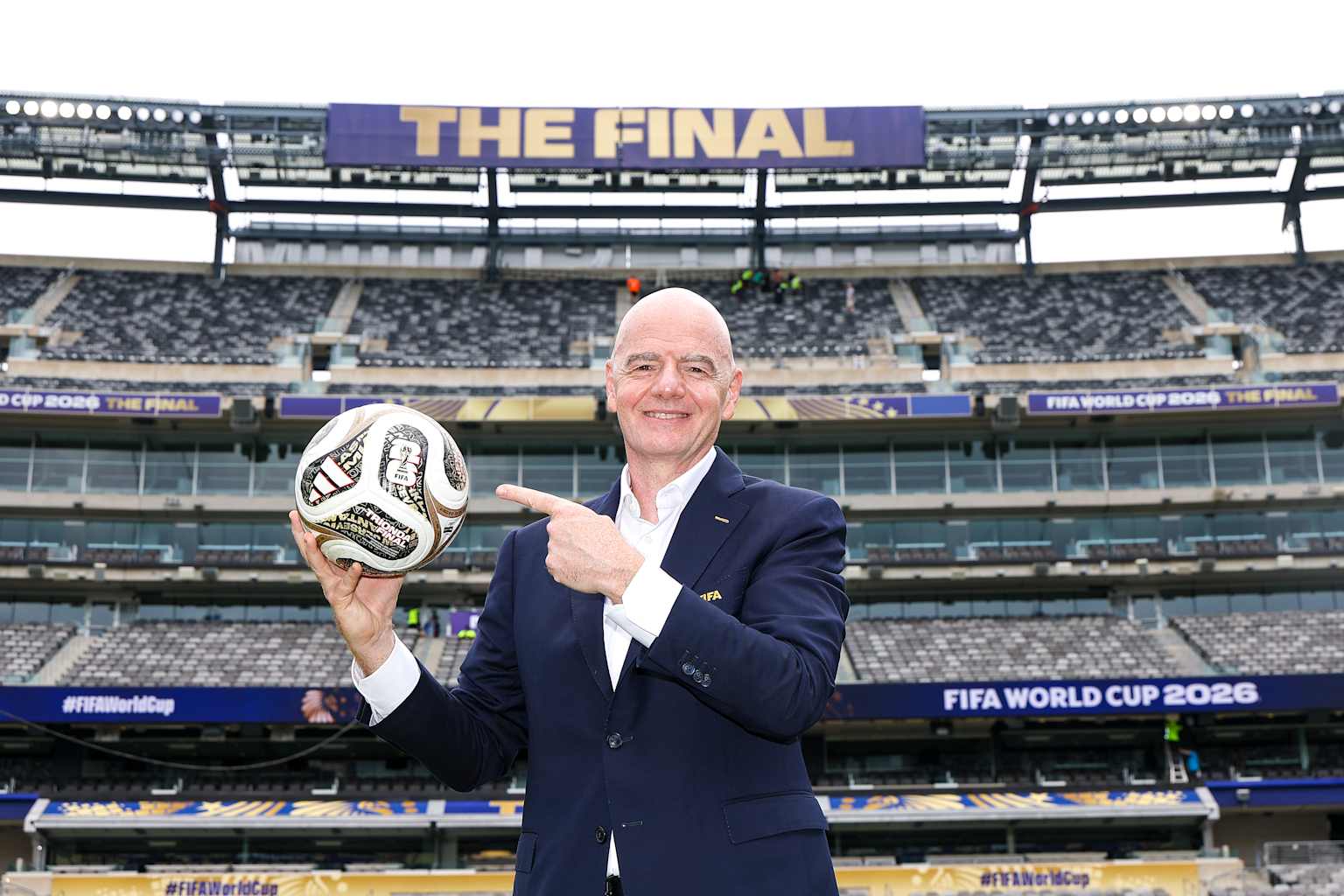
On Sunday, Council of Europe Secretary General Alain Berset sent an open letter to FIFA President Gianni Infantino questioning the integrity of the tournament. Berset cited concerns over transparency in disciplinary decisions, the growing scrutiny of referees, and the influence of "money and power" in football. He urged FIFA to build a comprehensive integrity framework before the 2030 World Cup in Spain, Portugal, and Morocco.arise+1
FIFA has acknowledged the criticism by announcing that from the quarterfinals onward, every match would have two dedicated in-house VAR officials to improve consistency. UEFA, meanwhile, has already distanced itself from certain 2026 World Cup VAR practices, instructing its own referees not to use the tournament's expanded mistaken-identity rule for simulation cases.youtube+1