Newsletter Subscribe
Enter your email address below and subscribe to our newsletter
[forminator_form id="25163"]

All voices matter

biz.chosun+1biz.chosun+1biz.chosun+1The two largest contract chipmakers in the world are raising manufacturing prices, marking what analysts describe as a shift to a supplier-driven era in the semiconductor foundry market.
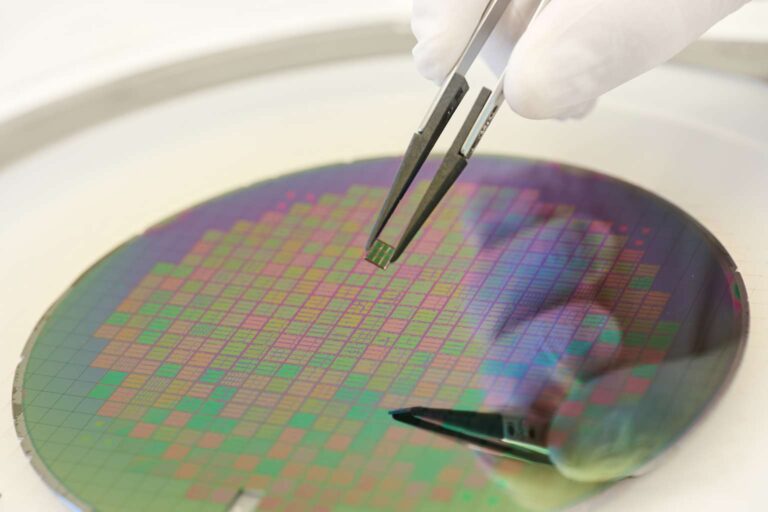
TSMC Taiwan Semiconductor Manufacturing Company Limited recently notified major clients including Nvidia , Apple , and AMD Advanced Micro Devices, Inc. that it plans to raise wafer supply prices by 5% to 10% across advanced nodes including 3nm, 5nm, and 7nm processes, according to a report by Chosun Biz citing industry sources. Samsung has also raised supply prices by around 15% for new clients on advanced 4nm and 5nm nodes, as well as select 8nm nodes used for automotive chips.tomshardware+3
The price increases represent a broader structural change in the foundry industry, which for years was defined by fierce competition among manufacturers to win clients. TSMC, which controls an estimated 72% of the global foundry market, is now leveraging its dominance on advanced logic chips to pass on rising costs. The hikes extend beyond cutting-edge 3nm processes to include older but still advanced 7nm nodes, affecting the bulk of the company's wafer revenue.biz.chosun+1
TSMC CEO CC Wei has said the AI chip shortage will persist for years, with the company unable to meet customer demand despite running its fabrication plants at full capacity. CFO Wendell Huang acknowledged that inflation has pushed up costs but said the company would not impose sudden large increases. TrendForce reported in May that TSMC was weighing a separate 15% price increase on 3nm wafers in the second half of 2026, with additional 5% to 10% hikes projected for 2027.trendforce+1
Samsung's decision to raise prices is a sharp reversal for a business that was cutting prices to attract clients just months ago. The surge in AI-related chip orders has tightened capacity across the industry, giving foundries pricing leverage they have not had in years. Industry watchers note that market supply and demand, rather than the maturity of a given process, now increasingly determines pricing.thenews+1
The price increases are expected to ripple across the semiconductor ecosystem. In addition to higher wafer costs, rising prices for high-bandwidth memory and advanced packaging are compounding expenses for chipmakers like Nvidia, AMD, Qualcomm , Broadcom , and MediaTek. For chip designers that rely almost entirely on TSMC for their most advanced products, the hikes leave little room to seek alternatives at comparable scale.tomshardware+1