Newsletter Subscribe
Enter your email address below and subscribe to our newsletter
[forminator_form id="25163"]

All voices matter
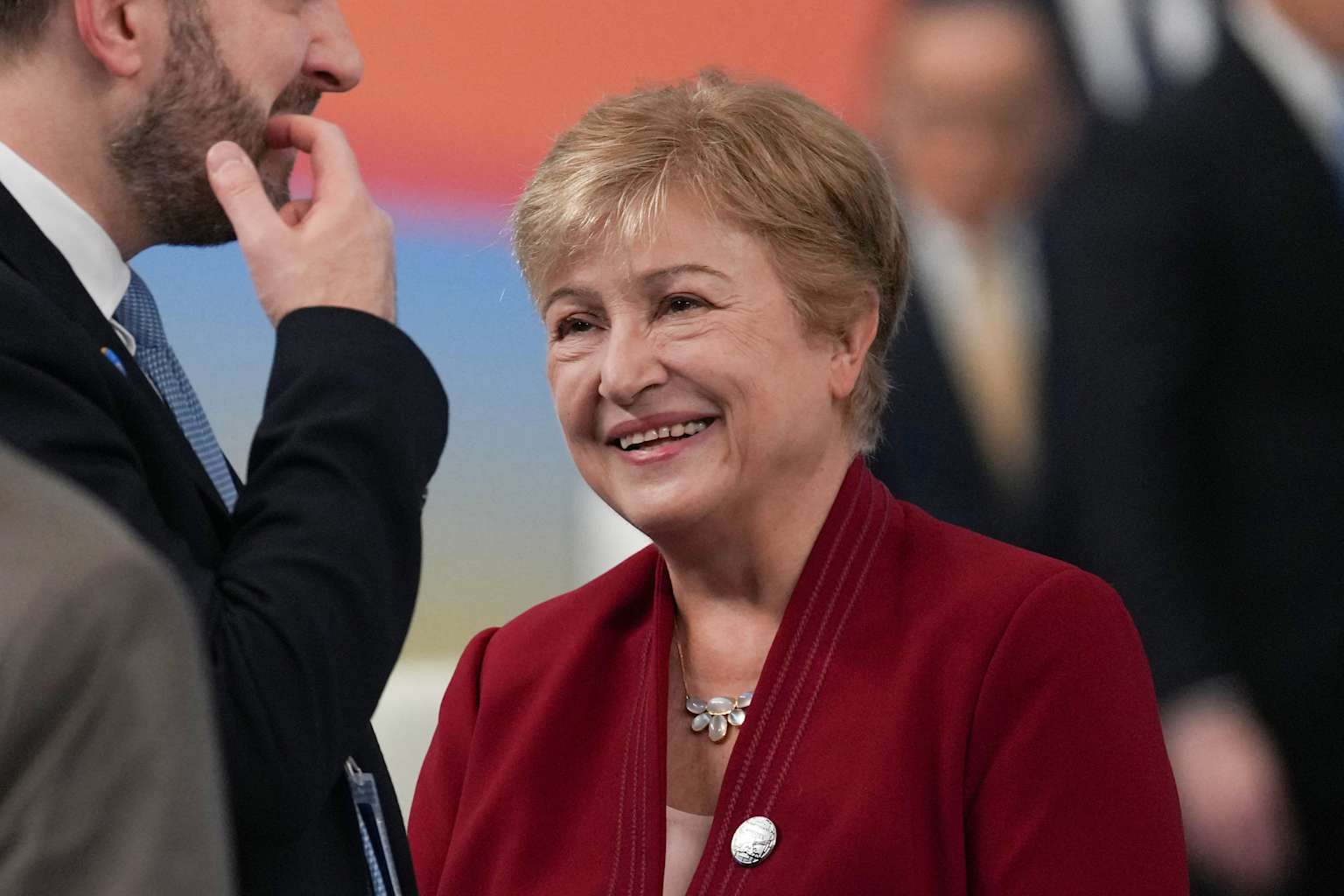
reuters.com.economymiddleeast.com.en.mercopress.com.International Monetary Fund Managing Director Kristalina Georgieva told Asia-Pacific leaders on Thursday, November 19, that energy supply shocks and demand tied to artificial intelligence are pushing global inflation to 4.7%. She said the rise calls for tighter monetary policy in many economies, Reuters reported from the Asia-Pacific Economic Cooperation (APEC) summit in Shenzhen, China. She also warned that rising borrowing costs are putting pressure on government finances at a time when global debt is near its highest level since World War II.reuters.com
The 4.7% figure is the IMF's forecast for global headline inflation in 2026, not one worldwide reading. The fund expects inflation to ease to 4.1% in 2027, according to Economy Middle East.economymiddleeast.com
Georgieva spoke at the plenary session right after host President Xi Jinping's opening remarks, Kompas reported. She named three challenges for governments: inflation and interest rates, public debt and deficits, and structural reforms to raise productivity. "This necessitates tighter monetary policy in many economies," she said of inflation. She also said higher growth expectations linked to AI and heavy public and private bond issuance are pushing interest rates up. Bond yields in several advanced economies have reached their highest levels in decades, Hiru News reported.go.kompas.com+1
On debt, she was blunt. "The level of global debt will soon reach 100% of GDP, the highest since World War II. This requires urgent attention," Georgieva said, according to MercoPress. She added that higher rates make that debt more expensive to service.en.mercopress.com
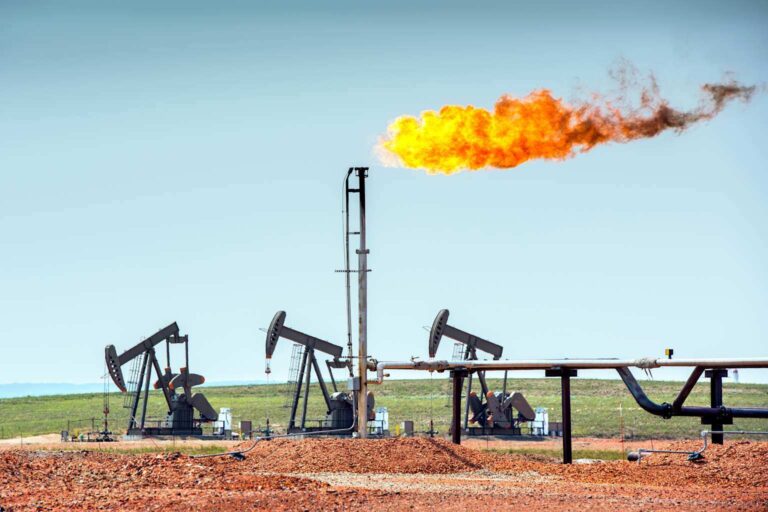
Most of the inflation comes from the energy shock tied to conflict in the Middle East. The IMF says oil rose from about $65 a barrel in January to almost $118 at the end of March, then moved around $90 later in the year. The fund expects higher energy and food prices to be the main reason headline inflation reaches 4.7% this year, Economy Middle East noted.economymiddleeast.com
AI also adds to demand. Georgieva said 2026 was "the first year that AI has had a material impact on global growth". Fast AI-led growth in about a dozen economies helped lift global growth to 3.1% this year, and growth among APEC economies was estimated at 3.4%. She said trade in AI hardware and related products now makes up more than one-tenth of global goods trade.hirunews.lk+1
Georgieva cautioned that these totals hide big differences between countries. Energy exporters and economies tied into AI supply chains are doing better, while others struggle with high energy costs. She urged governments to invest in digital infrastructure and AI-ready workforces. "To put it simply: you snooze, you lose," she said, as quoted by both The Epoch Times and Hiru News.theepochtimes.com+1