Newsletter Subscribe
Enter your email address below and subscribe to our newsletter
[forminator_form id="25163"]

All voices matter
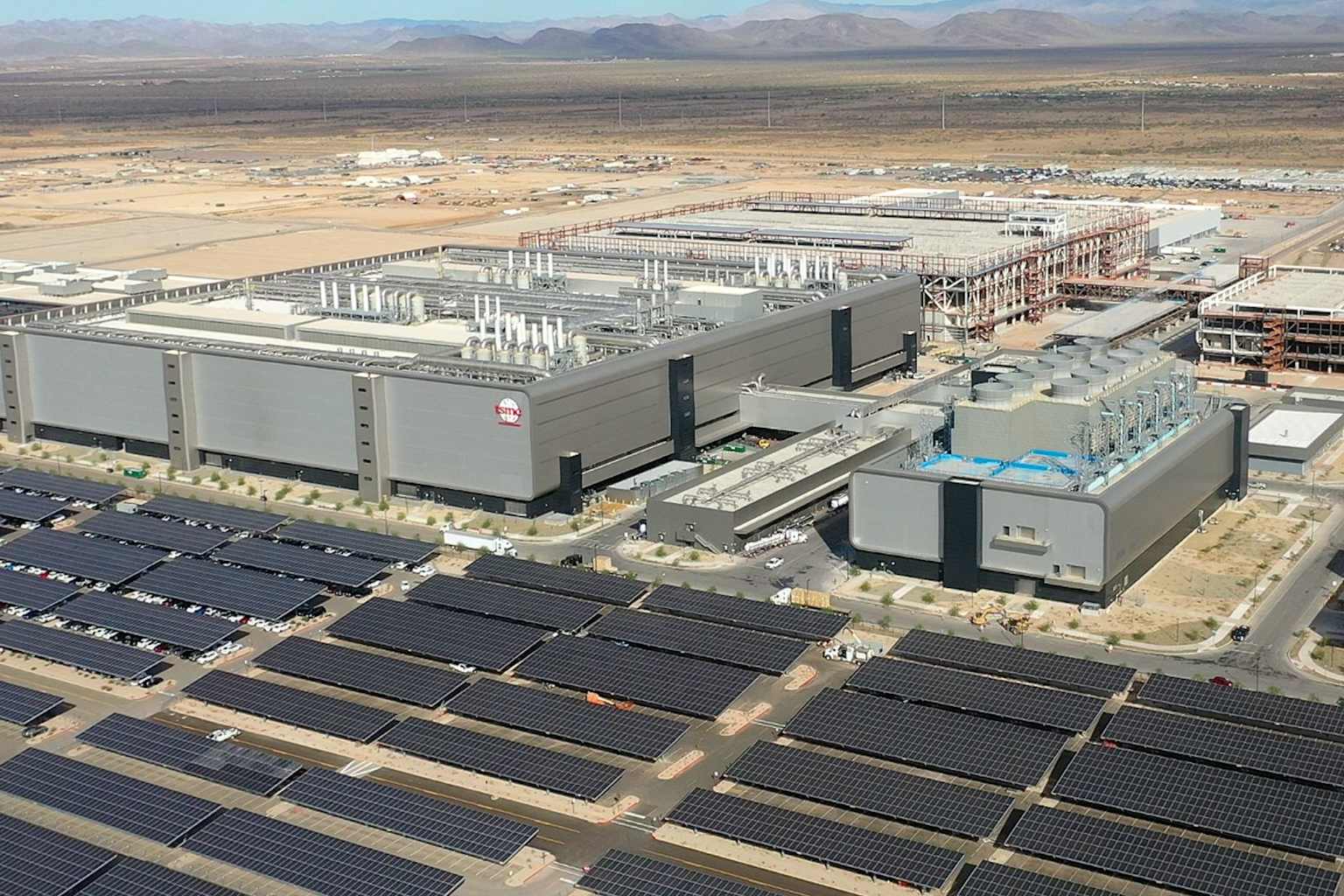
trendforce.com.nixonpeabody.com+1.newsobserver.com.Washington has moved to close what officials describe as a remote-access loophole in its AI chip controls. The rule also tightens requirements on contract chipmakers, and TSMC Taiwan Semiconductor Manufacturing Company Limited said it is reviewing the new rules and will comply with all applicable laws, TrendForce reported, citing Commercial Times. Beijing has threatened to retaliate.trendforce.com
The Commerce Department's Bureau of Industry and Security released the interim final rule on Monday, November 16. The bureau said it ensures existing restrictions "cannot be circumvented through remote computing arrangements involving data centers in third countries." The rule is set to appear in the Federal Register on November 19. Comments are open through January 19, 2027.bis.gov+1
Exporters now need a license to ship advanced chips and servers if they know the hardware is headed to a data center anywhere in the world that will provide more than 12 million "aggregate TPP" of computing power to companies headquartered in China, another Country Group D:5 nation or Macau, according to Nixon Peabody. The rule also adds license requirements for Indonesia, Malaysia, Singapore, Thailand and Brazil, which it treats as diversion risks. Companies headquartered in the US are exempt if they meet reporting requirements, DatacenterDynamics reported. The rule formally rescinds the Biden-era AI Diffusion Rule.nixonpeabody.com+1
Foundries and outsourced assembly and test (OSAT) providers now need a license to ship advanced chips made for designers that are neither "approved" nor "authorized." The rule presumes that such chips are meant for data centers, Pillsbury noted. Authorized designers should apply for approved status before December 31, 2026, Ashurst Perkins Coie advised.ashurstperkinscoie.com+1
Taiwan's Ministry of Economic Affairs said local manufacturers mainly work on a contract basis, so US customers are responsible for seeking licenses when orders involve restricted products, TrendForce reported. TechNews said TSMC, Samsung, ASE and Amkor could face stricter customer checks that delay orders from Chinese chip designers. Because advanced-node capacity is tight, other customers may fill the open slots. TrendForce expects Taiwan's AI server shipments to Southeast Asia to come increasingly from US cloud providers. Non-US buyers could face longer approval times.trendforce.com
TSMC and Samsung shares fell after the announcement. The rule targets data centers in countries such as Thailand and Malaysia, which Chinese firms have used to train AI models, Reuters reported.marketscreener.com+1
China's commerce ministry said on Tuesday that it firmly opposed the rule. It said it would take countermeasures if the US insisted on imposing it, according to Reuters. A ministry spokesperson said the restrictions violate market principles and international trade rules and threaten the stability of the global semiconductor supply chain, Dow Jones reported. The spokesperson added that Beijing would respond "to protect its sovereignty, security and economic interests" if Washington kept acting unilaterally.morningstar.com+1
TrendForce said the two governments may negotiate over the rules, which leaves their final impact uncertain.trendforce.com