Newsletter Subscribe
Enter your email address below and subscribe to our newsletter
[forminator_form id="25163"]

All voices matter
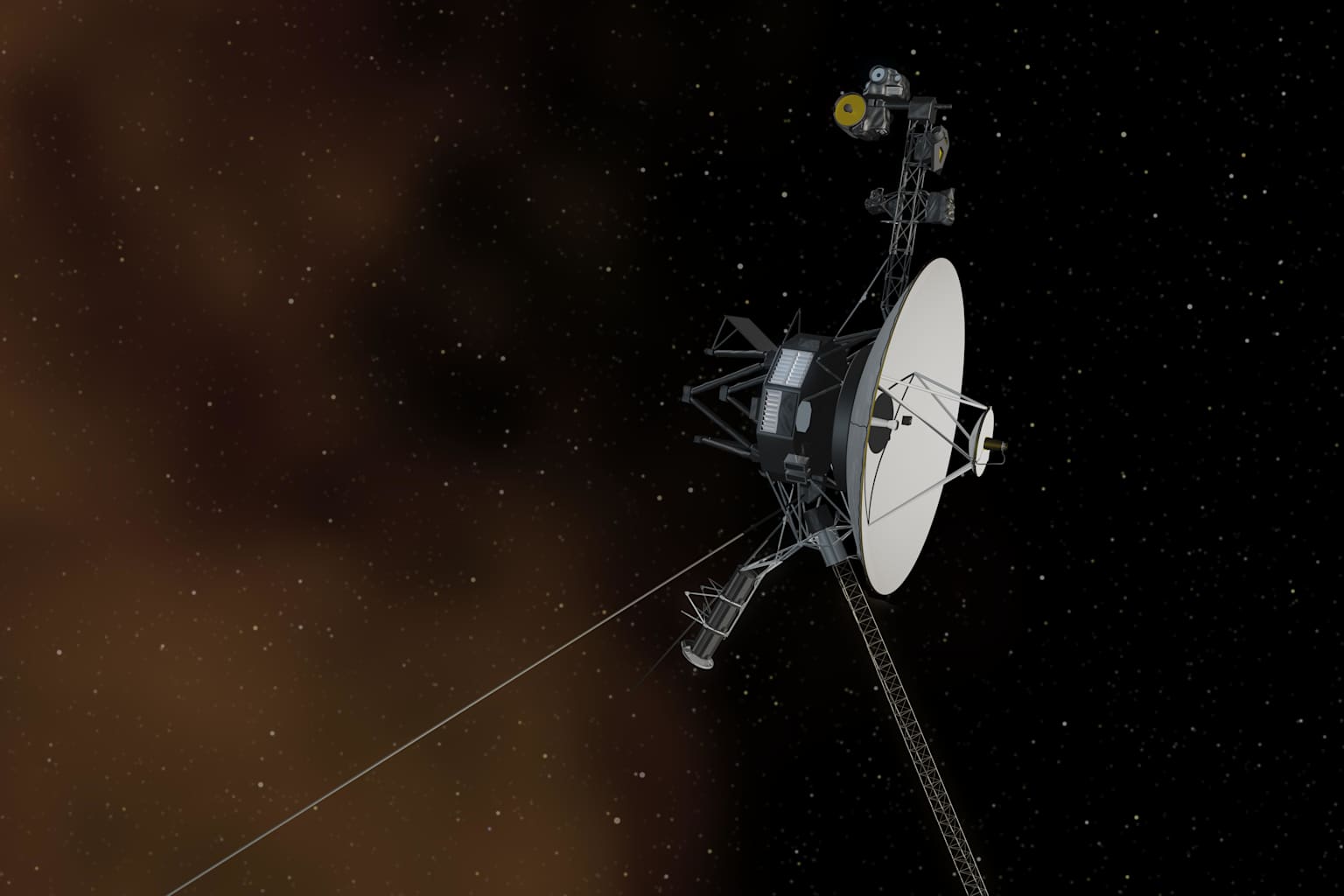
planetary.org.apnews.com.jpl.nasa.gov+1.NASA's Voyager 1 is set to become the first human-made object to reach one light-day from Earth at 5:16:07 a.m. EST on Wednesday, Nov. 18. At that distance, about 16.09 billion miles, a radio signal traveling at the speed of light takes a full 24 hours to make the trip. The spacecraft launched in 1977, and by NASA's count it will have taken 49 years, two months and 11 days to get this far.science.nasa.gov
The 13-member flight team will not be able to confirm the crossing right away. Voyager 1's first signal sent after it passes the mark will not reach Earth until Thursday. Its twin, Voyager 2, launched two weeks earlier but is not expected to reach one light-day until 2035.cbsnews.com+1
To mark the moment, NASA asked people around the world to "Shine Bright for Voyager's Light-Day" after sunset on Tuesday, Nov. 17. The agency set up a website that lets phones and tablets flash "VGR," Voyager's call sign, in Morse code. On Thursday, Nov. 19, at noon EST, JPL will host a moderated discussion with NASA science chief Nicky Fox, project manager Suzanne Dodd, project scientist Linda Spilker and other mission members. The event will include a preview of a NASA+ documentary planned for the mission's 50th anniversary in 2027. The Planetary Society plans a livestream Wednesday evening, where space artist Don Davis will unveil a new illustration of Voyager 1 at one light-day.jpl.nasa.gov+1
Voyager 1 is moving at nearly 38,000 mph. Its nuclear power source has dropped from about 470 watts at launch to just over 210 watts, which is enough to run two of its 10 instruments. Controllers finished their latest power-saving measure in September. Then in October they briefly lost contact with the probe, and they are still working out why. The spacecraft entered interstellar space in 2012 and continues to send back data on magnetic fields and the particle environment beyond the Sun's heliosphere.apnews.com+2
Reaching a full light-year would take Voyager 1 about another 18,000 years. Even so, the light-day distance already makes every exchange slow. "If you want to say 'hello' to Voyager, you send your message and then you go home and you wait two days before you finally get a response," Dodd said.cbsnews.com+1
"I feel like this mission is one of the great things that people have ever done," said mission manager Kareem Badaruddin.cbsnews.com