Newsletter Subscribe
Enter your email address below and subscribe to our newsletter
[forminator_form id="25163"]

All voices matter
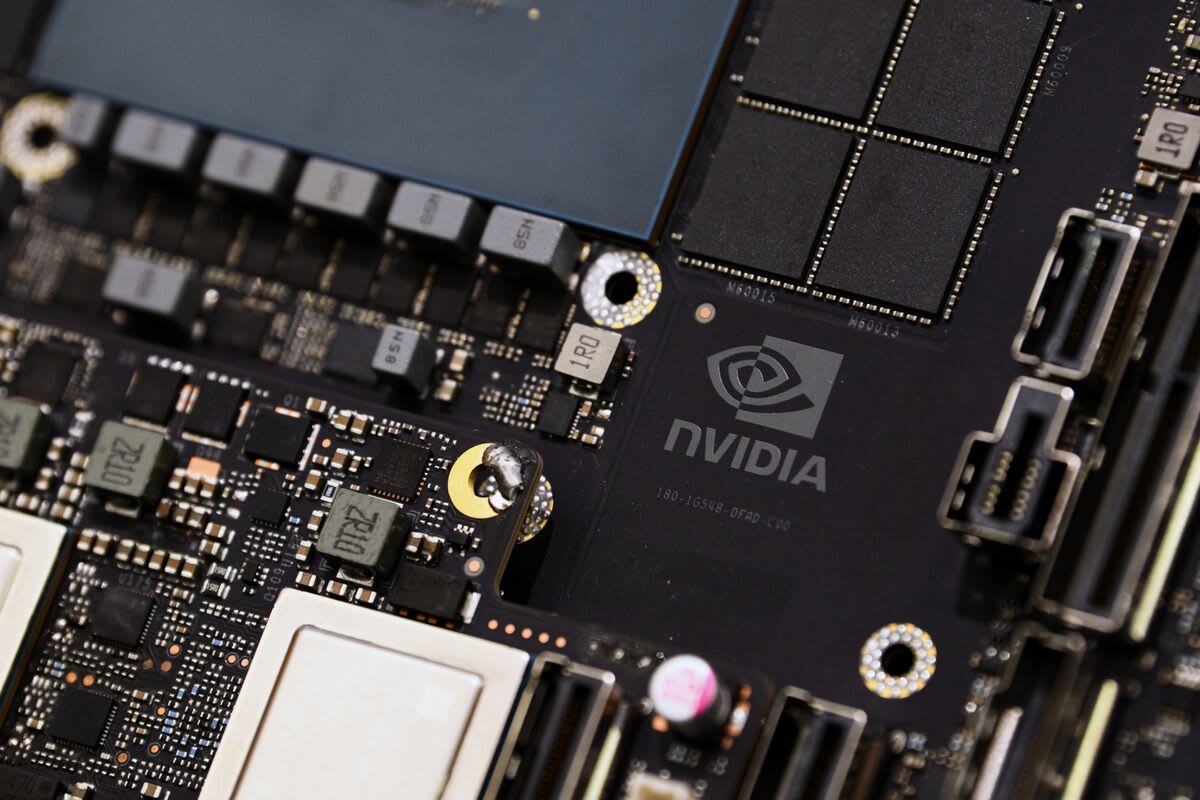
bloomberg.com+1.nytimes.com+1.x.com.The US Commerce Department on Monday, November 16, issued an interim rule that limits remote access to advanced AI chips and servers from certain countries. The move follows weeks of growing scrutiny of semiconductor exports after an alleged espionage scandal involving Nvidia, Bloomberg reported. "The rule is designed to ensure that existing restrictions on access to sensitive American technology cannot be circumvented through remote computing arrangements involving data centers in third countries," the department said in a statement.bloomberg.com
The rule targets a long-standing gap in US export controls. Chinese firms cannot buy Nvidia's most advanced processors outright, but they have been able to rent them in data centers in countries such as Malaysia, Indonesia and Thailand, according to The New York Times.nytimes.com
The Bureau of Industry and Security issued the interim final rule to cover remote access to advanced computing chips and servers. The rule was written at the direction of the Treasury Department and the National Security Council, and it aims to bring remote-access safeguards in line with existing controls on physical shipments, The Economic Times reported. The department said cloud computing advances had made remote access to US AI systems increasingly possible. Under the rule, re-exporting advanced AI chips to Brazil, Singapore, Indonesia, Malaysia and Thailand will now require licenses, according to Moneycontrol.economictimes.indiatimes.com+1
Earlier reports on the draft, first published by The Information, had listed seven countries, including Norway and South Africa. Those reports also described an exemption for US-operated data centers that block access from arms-embargoed nations such as China and Russia, Asia Times noted.asiatimes.com
The rule comes as President Donald Trump leaves for an Asia trip that includes a meeting with Chinese President Xi Jinping. The US said it remains committed to promoting the use of American technology for legitimate commercial purposes, The Economic Times reported. Jensen Huang stepped down as Nvidia's CEO on Thursday, November 12, after reports of extramarital affairs, one of them involving a suspected Chinese spy, according to the same outlet. Before the rule came out, Chinese AI companies had been trying to lock in Nvidia-powered computing capacity at overseas data centers, including providers in Southeast Asia.economictimes.indiatimes.com
Commerce Secretary Howard Lutnick has come under fire for favoring a light touch on chip exports, a position that is losing support inside the administration, The Wall Street Journal reported. The Times reported that Commerce had pushed for a narrower version that would cover only future shipments, while other officials wanted global coverage. Malaysia said it "will not allow itself to be used to get around export controls," according to the Journal.wsj.com
Critics say a rule limited to a few countries could fall short. Chris McGuire, a former State Department official, wrote on X that under the draft's approach, "China would just use U.S., Canadian, Australian, Japanese, or Finnish data centers to access Blackwell chips."x.com