Newsletter Subscribe
Enter your email address below and subscribe to our newsletter
[forminator_form id="25163"]

All voices matter
benzinga.com+1.intellinews.com+2.english.kontan.co.id+1.On Friday, November 6, Asia's technology-heavy markets suffered their steepest losses in months. Investors dumped chipmakers after the Democratic sweep in the US midterm elections raised fears of tighter rules on artificial intelligence and a slowdown in data center construction. South Korea's Kospi fell as much as 8.8%, which triggered a 20-minute trading halt, and closed 6.02% lower at 5,059.69. Japan's Nikkei 225 lost 5.96% and entered a bear market.intellinews.com+1
The selloff followed a 5.5% drop in the Nasdaq Composite on November 5, its deepest one-day fall since the "Liberation Day" tariff rout of April 2025. NPR reported that investors feared a Democratic Congress and the states would crack down on AI and data centers.straitstimes.com+1
Within the Kospi, SK hynix fell 10.44% and Samsung Electronics lost 6.35%. The two companies make up about 40% of the index's market value. The Kospi lost more than a tenth of its value over the week, according to Reuters reporting carried by Kontan. In Tokyo, the Nikkei dropped below 60,000 for the first time since May. It now sits more than 20% below its June peak.english.kontan.co.id+2
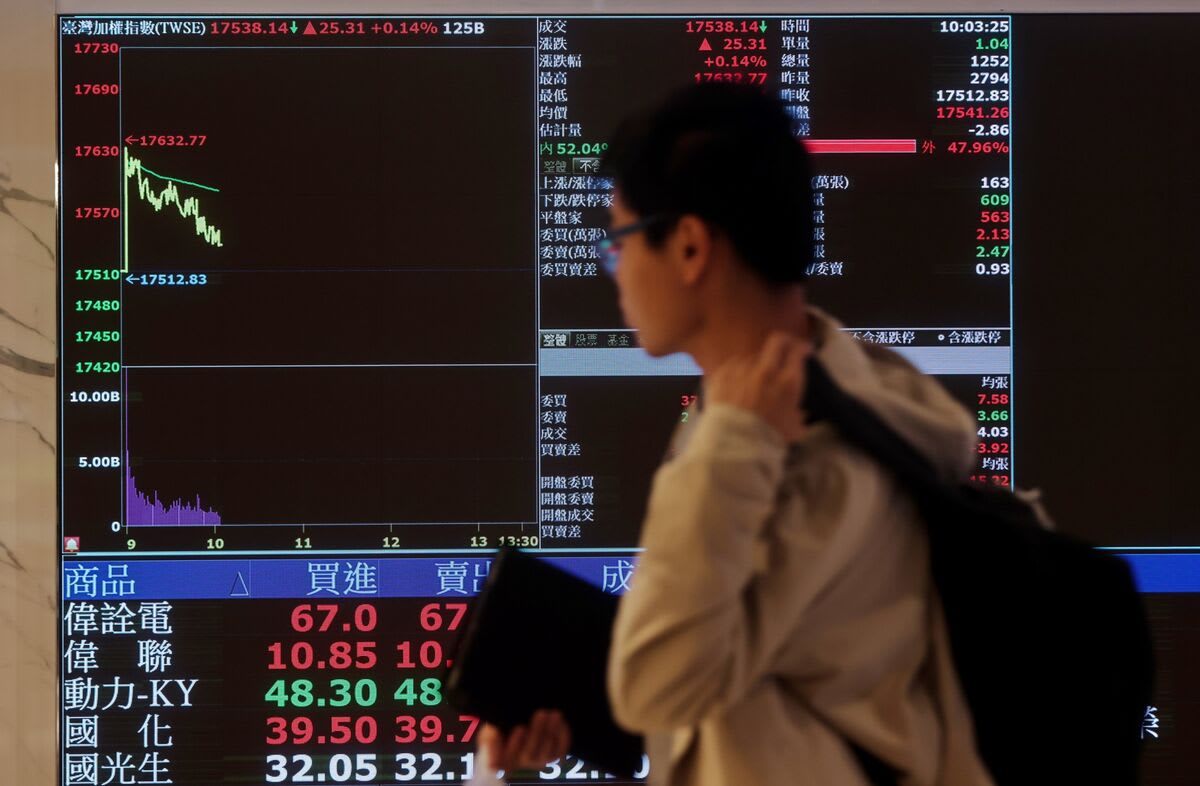
Taiwan's Taiex fell 4.5% on the day and posted its steepest weekly drop since September 2001. For the week it was down 12.2%. Taiwan Semiconductor Manufacturing Co. fell as much as 9.8% during the session and closed down 4.69%. MSCI's emerging markets index fell 4.7% to its lowest level since early April.taipeitimes.com+2
"There is a clear element of panic in the selling, with crowded positioning, deleveraging and potentially forced liquidations amplifying the decline," said Dilin Wu, a strategist at Pepperstone, according to Reuters.english.kontan.co.id
Taiwan's Premier Cho Jung-tai ordered the Financial Supervisory Commission to "stabilize" the market. He said the island's economic fundamentals remain sound. After the close, the regulator announced new short-selling curbs that take effect on November 9. The Finance Ministry also said it stands ready to use its NT$500 billion stabilization fund. In Seoul, senior economic and financial officials met to discuss emergency measures. These included a three-month exemption from collateral requirements on loans to investors.benzinga.com+2
Wall Street steadied on Friday, and the Nasdaq recovered 1.1%. A stronger-than-expected jobs report also raised expectations of a Federal Reserve rate hike in December. Wu warned that "the underlying pressure hasn't really gone away". The Korea Times editorial board argued that the episode shows Korea needs to reduce its heavy dependence on semiconductors.koreatimes.co.kr+2