Newsletter Subscribe
Enter your email address below and subscribe to our newsletter
[forminator_form id="25163"]

All voices matter
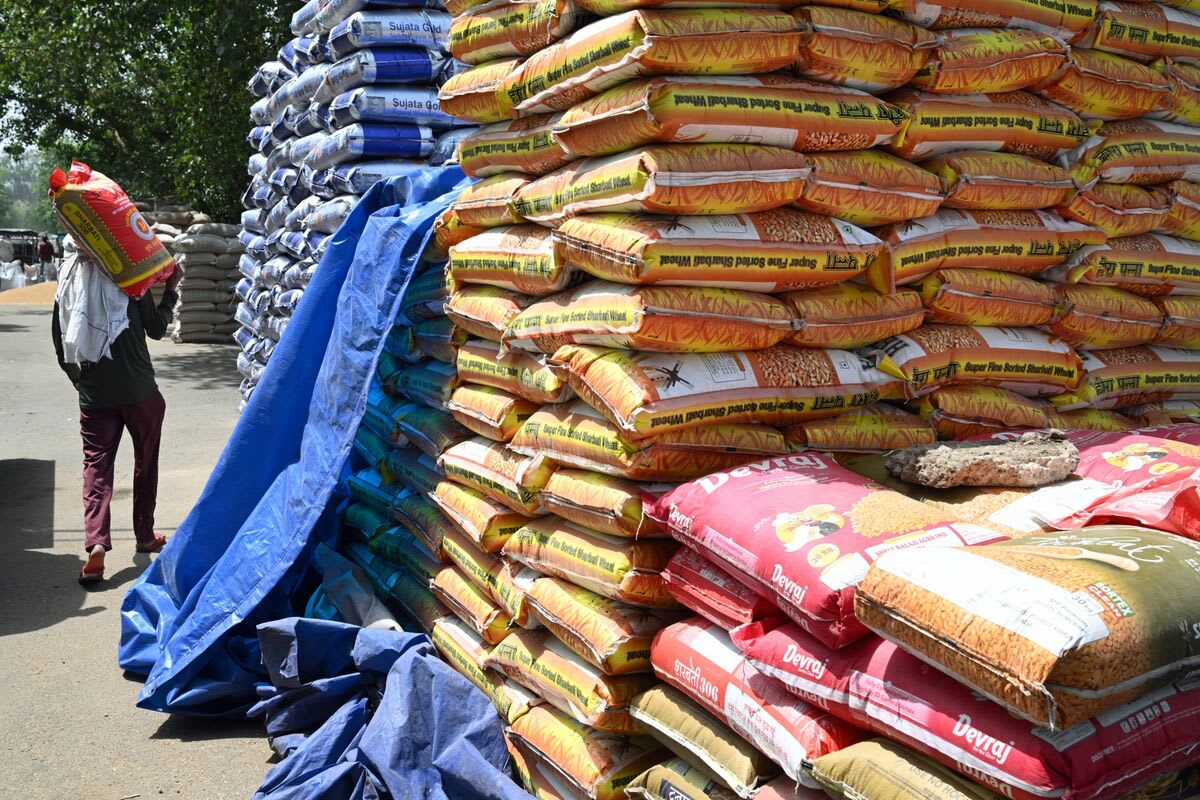
investing+1.investing.investing.World food prices rose again in September and reached their highest level since November 2022. The U.N. Food and Agriculture Organization (FAO) said on Friday that problems with shipping routes and worries about the weather were pushing up prices for grains, sugar and vegetable oils.investing+1
The FAO Food Price Index tracks monthly changes in international prices for a basket of food commodities. It averaged 136.0 points in September, up from a revised 134.0 in August. Bloomberg reported that the index rose 1.5% from August, led by grains and sugar. It was the latest in a string of monthly gains. In August the index rose 1.9% and hit what was then its highest level since late 2022.bloomberg+3
FAO's indexes for cereals, sugar and vegetable oils all rose last month. Meat and dairy prices fell. Fears of a severe El Niño weather pattern pushed international sugar prices to an 18-month high. Reuters reported that a war-related collapse in Black Sea trade sent wheat futures to a three-year peak in early September.investing
"We are seeing a persistent and increasingly broad-based build up in global commodity prices, as disruptions in the Strait of Hormuz and the Black Sea combine with climate shocks, putting pressure on energy, transport and key food commodities," FAO Chief Economist Maximo Torero said.investing
Torero said the rise in international prices could soon reach shoppers. "If sustained, these pressures will soon pass through to consumer food prices, especially in food and energy import-dependent countries," he said in a statement.investing
Supply still looks strong despite the price increases. In a separate report, FAO left its forecast for global cereal production in 2026 almost unchanged at 2.979 billion metric tons. That is 2.1% below last year's peak but would still be the second-largest harvest on record.investing
Trade is weaker. FAO cut its forecast for world cereal trade in 2026/27 by 0.7% from its September estimate. It expects lower wheat and maize exports, mostly because shipping routes through the Black Sea are restricted.investing