Newsletter Subscribe
Enter your email address below and subscribe to our newsletter
[forminator_form id="25163"]

All voices matter

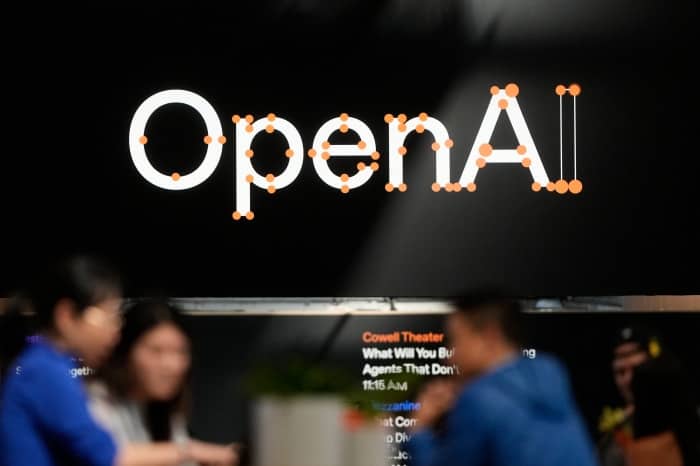
openai.openai.openai.OpenAI has introduced dots, AI agents that keep running in the background and act on a user's behalf. The company announced them at its developer event on September 29, 2026. Each dot runs on GPT-6 Astra and gets its own cloud computer and browser. Through OpenAI's plugin system, a dot can connect to more than 4,000 apps and can work toward a user's goals around the clock.openai+2
Dots are rolling out first to ChatGPT Pro and Business Premium subscribers in eligible markets. Enterprise customers, including Edu and Healthcare plans, can try a beta once their workspace administrator turns it on. The first dot comes with those plans at no extra cost. Conversations with a dot don't count toward standard ChatGPT usage limits, but tasks a dot hands off to Codex or ChatGPT Work do.itbrief+1
OpenAI describes dots as being set up with "almost everything you'd give a new employee": their own identity for access and permissions, a cloud computer, and the ability to write and test code. Users can reach their dot through ChatGPT, Slack or Microsoft Teams, and SMS support is coming later. Context carries over from one channel to another. OpenAI's examples include turning customer feedback into tested pull requests and rerunning scientific analyses as new data comes in. In one case, an early tester's dot spotted that the tester had forgotten to bill a publication, then prepared the invoice and sent it once the tester approved.baomoi+2
OpenAI is also running enterprise pilots of "specialist dots," which have their own identities and credentials. The company says the idea builds on internal testing in procurement, invoice processing, customer support and commercial contracting. It is also working with Microsoft to plug these specialist dots into the governance controls in Agent 365.openai+1
When users aren't actively working with them, dots carry out "proactive research" using only read-only tools. In that mode they can't send messages or change app content. Custom rules let users allow an action, require approval for it or block it. Sensitive tasks such as changing a password always stay with the user. "Dots can still make mistakes, so always review consequential work," OpenAI said.itbrief+1
Early hands-on reviews have been mixed. Allison Johnson of The Verge tested dots on a $100-a-month Pro account. She found that security checks on websites often stopped her dot: it got stuck on a "human check" while booking an internet installation and couldn't log in to her Ikea account. It also missed a free trial option at a coworking space. Asked why, it told her, "I jumped to the wrong conclusion". The agent did better once it had access to her own computer, where it redesigned and deployed her personal website and edited video clips. She called it "Codex, but for regular people," but concluded it wasn't "$100-a-month handy" for her line of work.theverge
Vietnam's Baomoi reported that some live demos at the launch event stumbled when the agent repeatedly failed to send voice updates as asked. A separate 24-hour test summarized by Geeky Gadgets found the dot useful for email and scheduling, but also ran into technical glitches and limits on how much context it could keep.geeky-gadgets+1