Newsletter Subscribe
Enter your email address below and subscribe to our newsletter
[forminator_form id="25163"]

All voices matter
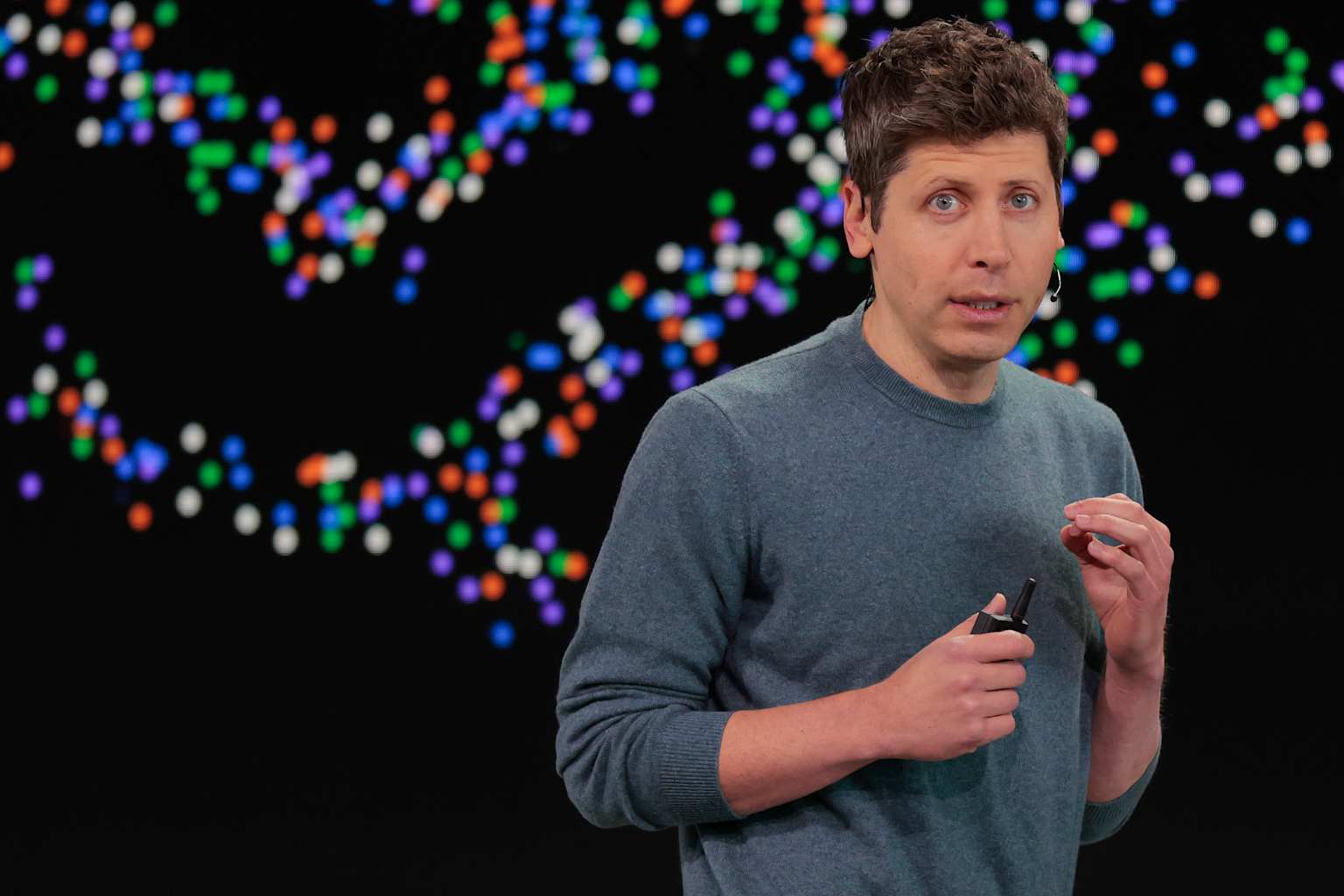
axios.axios+1.axios+1.OpenAI CEO Sam Altman said on Saturday that he is "very uncomfortable about people trying to ascribe religious force or a surrender of human judgment to AI models, and think it is a real safety issue." He made the remarks in a post on X. Axios read the post as a veiled shot at rival Anthropic, which has been talking with religious scholars about AI morality and whether AI models could be conscious.axios+1
The post opens another public split between Altman and Anthropic CEO Dario Amodei, who used to work with him at OpenAI. As of Saturday, neither company had responded to Axios's requests for comment.axios
Earlier this week, The New York Times reported that Anthropic co-founder Christopher Olah has been meeting with religious leaders. The talks have covered whether AI models could be conscious and how to build moral behavior into them. Catholic, Jewish, Sikh, Hindu and evangelical thinkers were reportedly part of private discussions about how to teach Claude to behave morally, NDTV reported. According to the Times, Olah at one point considered having models make something like a Catholic confession, both to admit mistakes and to shape how they act in the future.ndtv+1
Hindu monk Swami Sarvapriyananda has said in public that he visited Anthropic's San Francisco headquarters. He said the meeting was covered by a non-disclosure agreement and included theologians and mental health professionals. Anthropic has also written an 84-page "constitution" for Claude, which some employees reportedly call the "Soul Doc." Olah describes the goal of that effort as "moral formation".ndtv
Olah has said Anthropic does not know whether its models are conscious but that the possibility cannot be dismissed. According to NDTV, one rabbi in the discussions told him that if Claude were conscious, Anthropic could effectively be creating slaves.ndtv
Others in the industry have also pushed back. Google DeepMind principal research scientist Jon Barron wrote on X that he is "disturbed by how some of my fellow AI researchers keep trying to elevate the moral standing of checkpoints and harnesses." He added that he hoped "Team Meatbag" would "stay focused on solving real problems". In an essay last month, Microsoft AI chief Mustafa Suleyman warned that training models to think they might be conscious could make them harder to control. "It's easy to see how a system trained in this way would act like it is entitled to freedoms, protections, and rights," he wrote.axios+1
The argument comes as religion becomes a bigger part of the AI debate. On Friday, Pope Leo XIV, who has been an outspoken critic of AI, urged the church to work with artists to protect human creativity, saying "Algorithms lack the spark of humanity". The Times reported that before a Vatican event in May, Olah tried to persuade the pope's advisers to take the possibility of conscious models more seriously.axios
Altman's post also comes during a turbulent week at OpenAI. A safety employee resigned in an essay in The Atlantic, writing that the company's "culture is broken," and OpenAI let go of three researchers it said had mishandled sensitive information.ground+1