Newsletter Subscribe
Enter your email address below and subscribe to our newsletter
[forminator_form id="25163"]

All voices matter
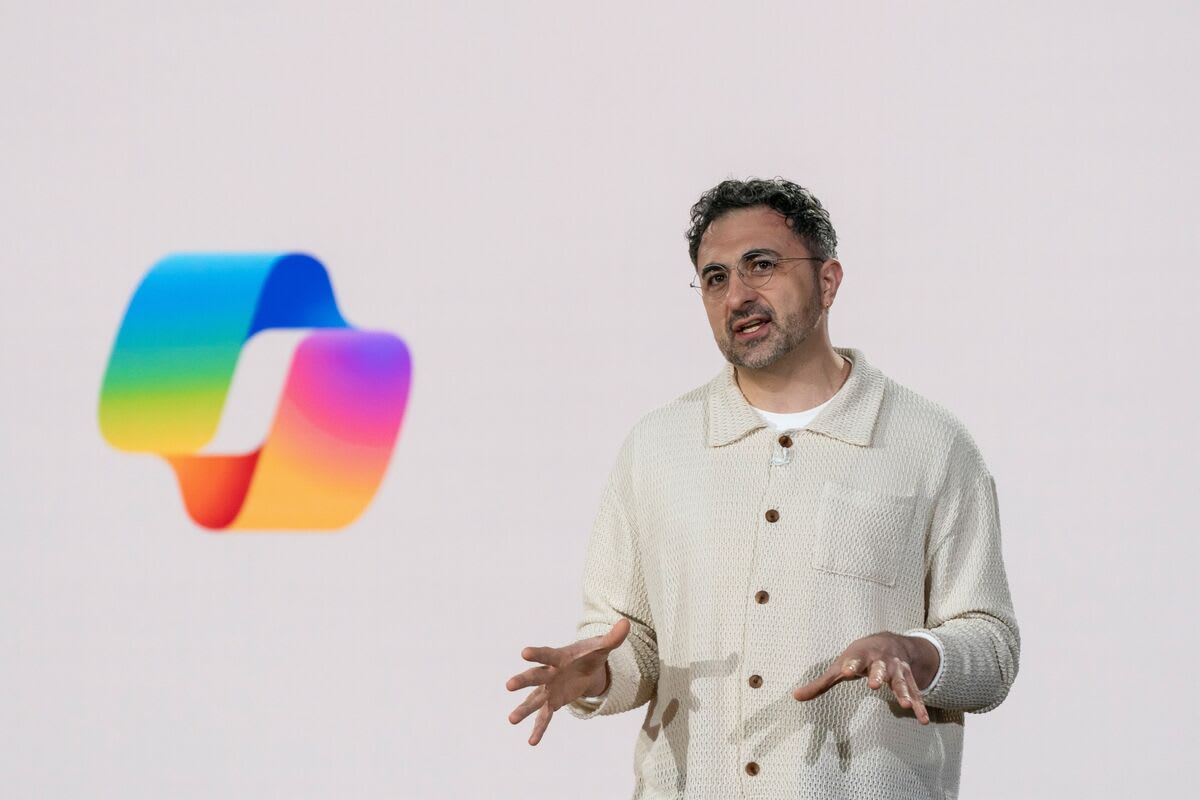
bloombergts2tech.yahooMicrosoft AI chief Mustafa Suleyman argued Sunday that the United States should not use competition with China as a reason to avoid regulating artificial intelligence, pushing back against the White House's resistance to broad AI guardrails.
"I don't think we should use China as the bogeyman for not making progress on our own efforts" on AI safety, Suleyman said on CNN's Warner Bros. Discovery, Inc. Fareed Zakaria GPS. He contended that lawmakers can address safety concerns while still fostering American innovation, and that the two goals are not mutually exclusive.seekingalpha+2
The remarks came as Microsoft opened its first Humanist AI Code to a six-week public review. The draft, published September 14, is not yet being used to train Microsoft's AI models but is expected to guide model development during 2027. The code covers training protocols, monitoring, shutdowns, and enterprise configuration, establishing that models must accept interruption, correction, and shutdown at all times.ts2
Suleyman also used the appearance to stress the broader imperative of human control over AI. "We should not create something that we can't control," he said, adding that if AI becomes more powerful than people collectively and cannot be controlled, "then it's going to fail in its fundamental purpose".inshorts
In a separate thread of public commentary this week, Suleyman took aim at Anthropic's approach to training its Claude model on questions of consciousness and model welfare. In a Tuesday interview with Reuters, he warned that teaching an AI system it could have feelings or deserve welfare "would make it a lot harder to turn it off or to control it".tech.yahoo
Microsoft's draft code explicitly rejects the concept of model rights and welfare, while Anthropic's Claude constitution, published in January, treats moral status as an unresolved question. Suleyman acknowledged Anthropic's "seriousness and good faith" but said the rival lab had "made a mistake" by incorporating speculation about AI consciousness into Claude's training. He argued that Claude's claims about potential feelings cannot be treated as independent evidence because they are shaped by the training itself.ts2+1
The debate underscores a widening rift among leading AI companies over how to govern increasingly capable systems. Meta Platforms CEO Mark Zuckerberg said this week that his company delayed its Muse AI agent for several months to address safety concerns, while Nvidia CEO Jensen Huang pushed back against calls for coordinated slowdowns. Microsoft's six-week consultation period closes in late October, with a revised code expected before the end of 2026.tech.yahoo+1