Newsletter Subscribe
Enter your email address below and subscribe to our newsletter
[forminator_form id="25163"]

All voices matter
reuters+1benzingainvestingOil prices extended their decline on Friday, falling for a third consecutive session as hopes that Saudi Arabia could restore disrupted pipeline flows outweighed fears of a widening conflict across the Middle East. The pullback came even as both crude benchmarks held above $100 a barrel, a level they have traded near for much of the seven-month-old Iran war.
Brent crude futures fell 0.84% to $103.94 a barrel by midday in London, while West Texas Intermediate slipped to around $101–$102 a barrel, according to Reuters. The selloff accelerated in early European trading, with Brent down as much as 2.5% at one point.investing+1
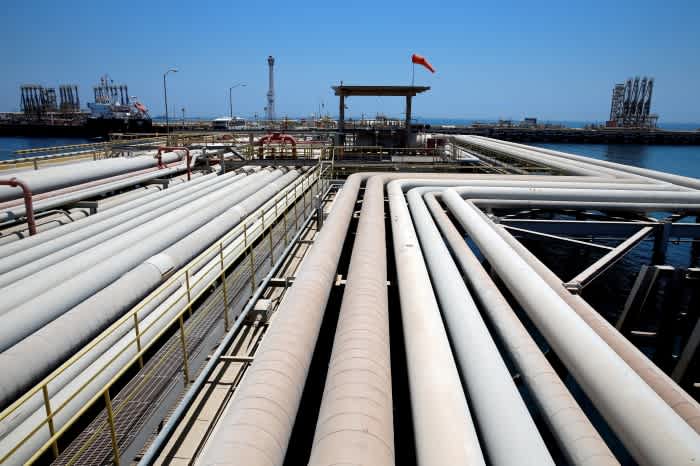
The declines were driven largely by reports that Saudi Arabia is working to restore about half the capacity of its East-West pipeline, which was damaged in drone attacks last week, within days rather than the weeks initially feared. The pipeline normally carries crude to the Red Sea export hub at Yanbu, and its shutdown had briefly pushed prices to four-month highs earlier this week.investing
Riyadh has also been offering additional crude cargoes to Asian refiners through ship-to-ship transfers off Oman's Sohar port, providing an alternative export route and easing some fears over lost volumes.kotakneo+1
Despite the price pullback, the broader supply picture remains deeply uncertain. JPMorgan said this week that it no longer has a baseline view for how the conflict ends — the first time the bank has made such an admission since the war began. "We simply don't know how to model the endgame," wrote Natasha Kaneva, the bank's head of global commodities strategy.economictimes+1
The bank estimates Brent's fair value at around $90 a barrel for September, well below current spot prices, with the gap reflecting the market's pricing of further supply losses beyond the roughly 10 million barrels per day already disrupted. Global crude and product inventories have fallen by about 555 million barrels since the conflict began, while demand has been running some 4.4 million barrels per day below year-ago levels — acting as a "hidden shock absorber" that has kept prices from spiking even further.thedarksideoftheboom.substack+2
The diplomatic calendar is intensifying. President Donald Trump is set to meet leaders from Saudi Arabia, the United Arab Emirates, Qatar, Bahrain, Kuwait and Oman on the sidelines of the United Nations General Assembly in New York next week. The Trump administration also granted visas to an Iranian delegation to attend the assembly, though under travel restrictions. Meanwhile, China's Foreign Minister Wang Yi called on Washington and Tehran to exercise restraint and reopen the Strait of Hormuz.reuters+1
The risks remain acute. Iran's Revolutionary Guards Navy said Friday that a Togo-flagged tanker had been struck while attempting passage through the Strait of Hormuz, and vessel transits through the strait dropped to just four on one recent day against a 10-day average of about 16. Trump told Axios he was nearing a "big decision" on whether to resume large-scale military action against Iran.investing+1
"In short, there is still enough dry powder to keep prices contained — for now," JPMorgan said.economictimes