Newsletter Subscribe
Enter your email address below and subscribe to our newsletter
[forminator_form id="25163"]

All voices matter
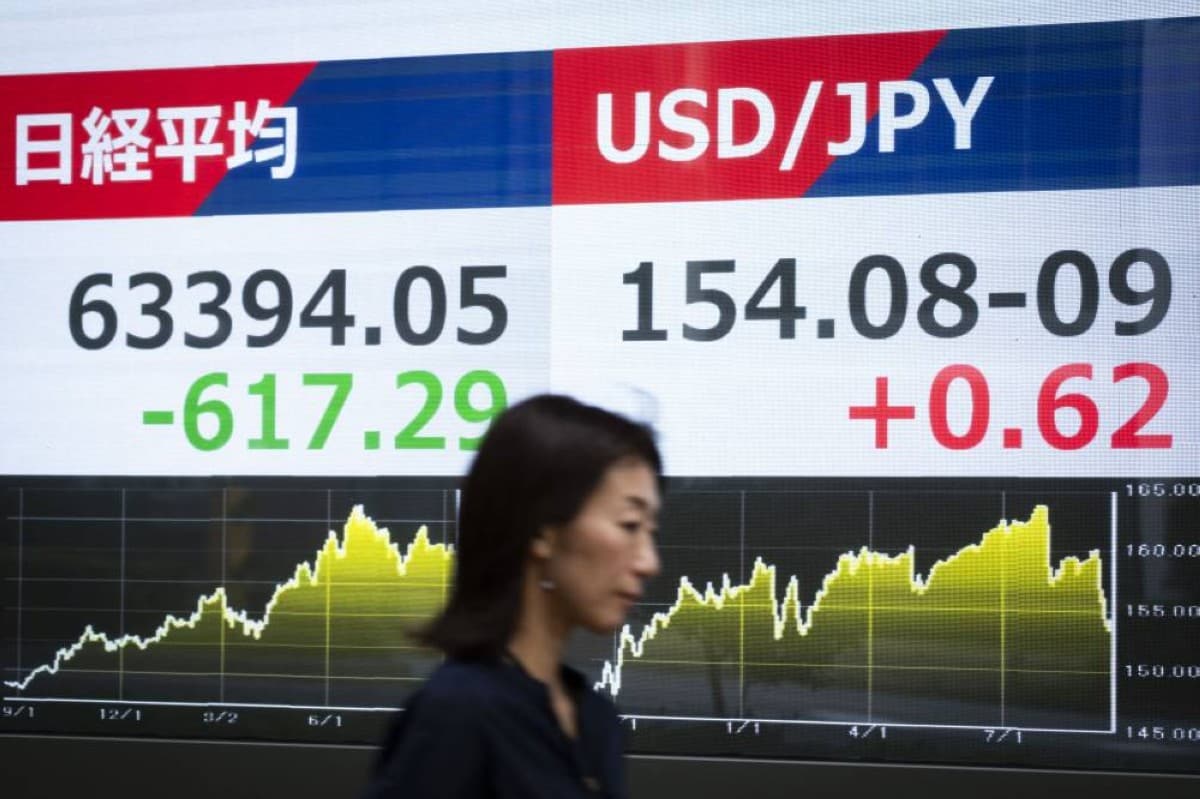
indexboxindexboxindexboxAsian equity markets traded in divergent directions on Thursday as investors weighed the Federal Reserve's first interest rate increase in more than three years against retreating oil prices and unresolved Middle East supply risks. Japan and Australia advanced while Chinese and Hong Kong shares fell, underscoring the uneven impact of tighter U.S. monetary policy across the region.
The Fed on Wednesday voted unanimously to raise its benchmark rate by 25 basis points to a target range of 3.75% to 4%, a move aimed at combating inflation that has remained well above its 2% target. Fed Chair Kevin Warsh struck a hawkish tone, saying the central bank "removed a dose of accommodation" and would "deliver on the price stability objective". Updated projections pointed to the possibility of at least one more increase before year-end, with traders pricing in roughly even odds of an October hike.indexbox+3
According to the Associated Press, Japan's Nikkei 225 gained 0.2%, South Korea's Kospi rose 0.9%, and Australia's S&P/ASX 200 climbed 0.3%. Taiwan's Taiex jumped 1.3% and India's Sensex edged up 0.3%.seattletimes+1
Hong Kong's Hang Seng fell 0.7% and the Shanghai Composite lost 0.4%, reflecting persistent concerns about China's growth outlook and the effect of higher global borrowing costs on export demand.semissourian+1
"The rate rise was pretty much expected since it was in line with market expectations," said Lorraine Tan, director of equity research for Asia at Morningstar , adding that the ongoing conflict involving Iran "is likely to keep pressure on inflation".seattletimes
Oil prices extended their decline on Thursday after reports that Saudi Arabia was offering additional crude cargoes through Oman, easing immediate fears about supply disruptions. Brent crude fell about 3% to around $102 a barrel, according to Reuters, its lowest level in a week, while West Texas Intermediate dropped below $100. Both benchmarks remain far above the roughly $72 per barrel that Brent traded at in late February.eurasiabusinessnews+1
State-run Saudi Aramco was looking to restore about half the capacity of its East-West pipeline within days and full capacity in about six weeks, Bloomberg reported, after Houthi drone attacks forced the pipeline's closure. Still, limited oil flows through the Strait of Hormuz continued to weigh on sentiment.finance.yahoo+1
The U.S. dollar climbed to a seven-week high against major peers, supported by rising short-term Treasury yields. The yen weakened to around 156 per dollar, near its softest level in roughly two years, a dynamic that helped Japanese exporters but added pressure on emerging-market currencies across the region.eurasiabusinessnews+2
On Wall Street, the S&P 500 dropped 0.5% on Wednesday following the Fed decision, and the Dow Jones Industrial Average fell 1.2%, though U.S. futures pointed higher Thursday as falling oil prices eased bond market pressure. Attention now turns to rate decisions from the Bank of England, widely expected to hold, and the Bank of Japan, which is anticipated to raise rates on Friday.indexbox+2