Newsletter Subscribe
Enter your email address below and subscribe to our newsletter
[forminator_form id="25163"]

All voices matter
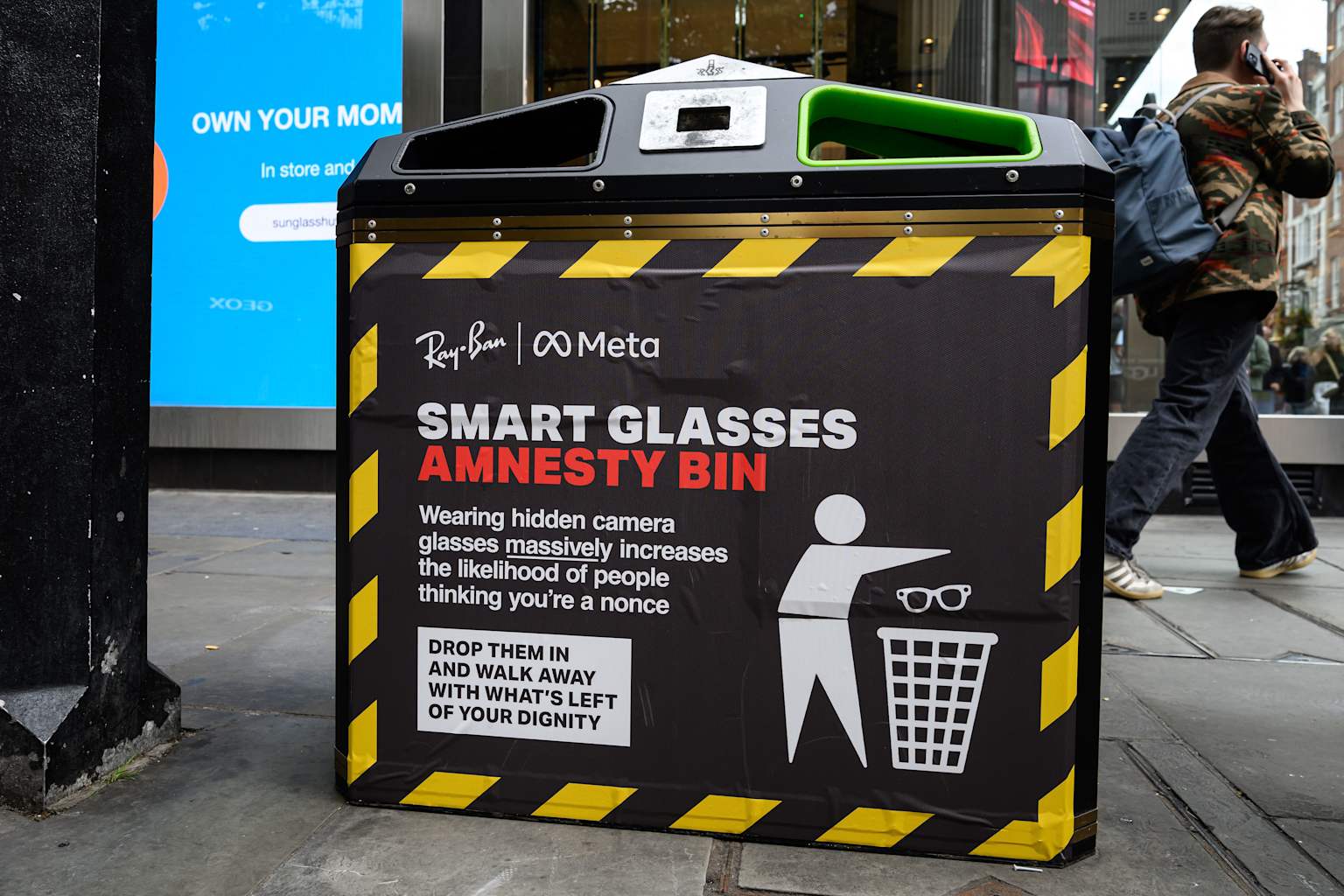
bangkokpostbangkokpost+1bangkokpostA wave of bans, petitions, and regulatory proposals is sweeping across Europe and the United States as governments and institutions grapple with the privacy implications of AI-powered smart glasses that can discreetly record video and audio in public spaces.
Meta sold seven million pairs of its Ray-Ban smart glasses in 2025 alone, up from a combined two million in 2023 and 2024. As the devices have proliferated, so has a backlash that now spans schools, courtrooms, pubs, federal workplaces, and the halls of the European Parliament.bangkokpost
Norway's Digitalisation Minister Karianne Tung announced in late August that the government planned to regulate smart glasses and was considering a ban on facial recognition features in public spaces. "We can see that people's private lives and privacy are coming under pressure from new technology," Tung said in a statement. She said the ministry would establish an expert group to advise on new rules this autumn. Oslo banned the glasses in schools effective August 27, saying it aimed to prevent children from becoming "extras in Meta's data collection".newvision+4
In the United States, Immigration and Customs Enforcement in August barred all employees from wearing Meta smart glasses in federal workspaces. In a memo first reported by The New York Times, ICE acting director David Venturella classified the glasses as body-worn cameras, warning they "could unintentionally capture, record or transmit sensitive information, potentially compromising privacy and legal protections". Courts in England and Wales, as well as in New York, have also confiscated the glasses from visitors.nytimes+2
EU lawmakers are pressing the European Commission to act. Slovak MEP Veronika Cifrova Ostrihonova said she raised concerns about whether the glasses comply with EU data protection and AI rules after reports of women being secretly filmed. Maltese MEP Alex Agius Saliba went further: "As things stand today, we should definitely go for a ban" until the glasses are proven safe, he said. The European Data Protection Board has commissioned a report on the "social acceptability" of smart glasses expected this autumn.gdprlocal+1
In Germany, the nonprofit HateAid filed a criminal complaint against Meta and several eyewear retailers, seeking a ban on sales of the Ray-Ban Meta Wayfarer. In Britain, a "Stop Smart Glasses" petition on the parliamentary website has gathered more than 9,100 signatures; the government must respond if it reaches 10,000.bangkokpost+2
Meta has said its glasses feature a bright white LED that flashes during recording and cannot be turned off, and that tampering with the light disables the camera. The company has argued the devices offer "essential new technology for individuals who are low-sighted or hard of hearing" and that limiting their use would be a setback. But critics say the LED is easy to miss and that legislation has not kept pace with the technology. "A person has no legal recourse if they are filmed in public, whether on the street, on a bus, or in a classroom," said Elaine Crory of the Women's Resource Development Agency in Belfast.bbc+1
With Google Alphabet Inc. and Snap preparing their own AI-powered glasses, the debate over where public space ends and private life begins is only likely to intensify.