Newsletter Subscribe
Enter your email address below and subscribe to our newsletter
[forminator_form id="25163"]

All voices matter
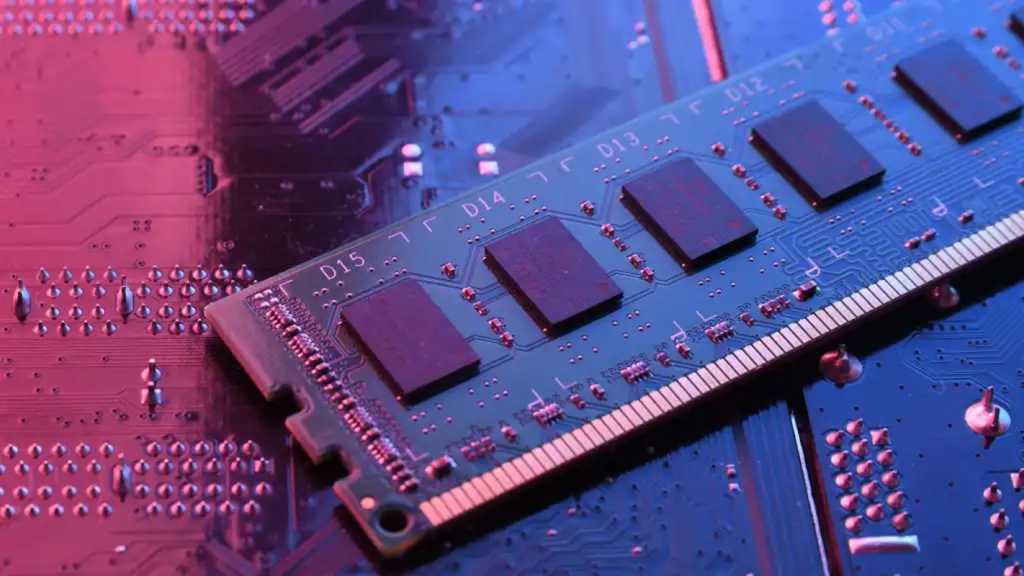
koreaherald+1finance.yahooesquireindia+1The global memory chip shortage reshaping the consumer electronics landscape reached a new inflection point this week as Samsung launched its Galaxy S26 FE at $699 — $50 more than its predecessor — while Apple prepares to raise iPhone prices and Sony raised PlayStation 5 costs twice in under a year. The common thread: AI data centers are consuming the world's memory supply faster than manufacturers can produce it.
On his final earnings call in late July, outgoing Apple CEO Tim Cook characterized the memory pricing environment as a "100-year flood," telling investors, "We did it because we're in what I would characterize as a 100-year flood on the memory pricing, with exponential increases in memory prices." Apple had already raised Mac and iPad prices in June, some by $200 or more, and Bloomberg has reported that iPhone 18 Pro models could see increases of $100 to $200 when they debut next month.esquireindia+2
Samsung's Galaxy S26 FE, announced Thursday and available September 4, exemplifies the squeeze on mid-range devices. The phone ships with a MediaTek processor instead of the Qualcomm chip found in the standard S26, and carries just 8GB of RAM — trade-offs Samsung made to keep the price increase to $50 rather than something steeper.koreaherald+3
The gaming industry has absorbed some of the steepest hits. Sony raised PS5 prices twice in under a year, with the base disc console climbing from $499.99 at its 2020 launch to $649.99 as of April 2026 — a 30% increase. Sony Group President Hiroki Totoki told investors in May that the company cannot commit to a PlayStation 6 launch date or price because the memory modules needed to build a next-generation console "at a reasonable price" are unavailable in volume.tech-insider
Microsoft followed with its own Xbox price hikes effective August 1, raising consoles by $100 to $150, while Nintendo confirmed a $50 Switch 2 increase effective September 1, explicitly citing the AI-driven memory shortage.tech-insider
The crisis traces to AI data centers absorbing an outsized share of global DRAM and high-bandwidth memory. DRAM contract prices rose roughly 171% during 2025, according to industry estimates, as hyperscalers building out large language model infrastructure outbid consumer electronics makers for limited fab capacity. The Wall Street Journal reported earlier this year that the largest electronics firms globally face "undesirable options: increasing prices for consumers, absorbing the additional costs, or modifying product specifications."wsj+1
Unlike the pandemic-era chip shortage that eased within two years, the current memory crunch is driven by structural AI demand that shows no clear end date. Apple's forward guidance projects gross margins declining to 47–48% in its fiscal fourth quarter, and the company has signaled it may not have secured enough memory for its upcoming iPhone production. Counterpoint Research estimates a smartphone demand recovery may not arrive until 2028.longbridge