Newsletter Subscribe
Enter your email address below and subscribe to our newsletter
[forminator_form id="25163"]

All voices matter
bloombergcnbc+1reutersSome of Nvidia's largest customers have been told that prices for servers containing the company's artificial intelligence chips will rise more than 15%, as soaring memory costs continue to ripple through the AI hardware supply chain, Bloomberg reported on Saturday.bloomberg
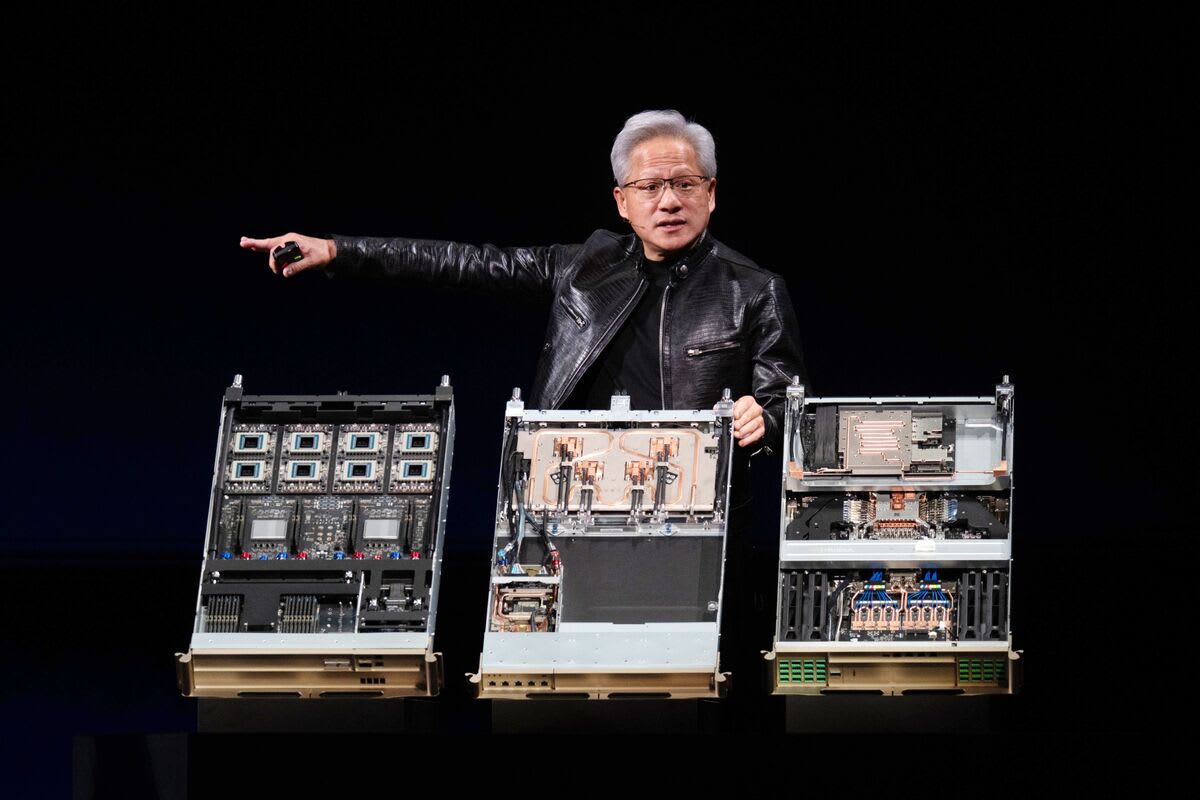
The increases will apply to systems shipped early next year and will affect servers built around Nvidia's flagship Vera Rubin and Grace Blackwell chips, according to people familiar with the matter who spoke to Bloomberg on condition of anonymity. The size of the hikes will vary depending on the generation of Nvidia chip and the memory configuration involved.bloomberg
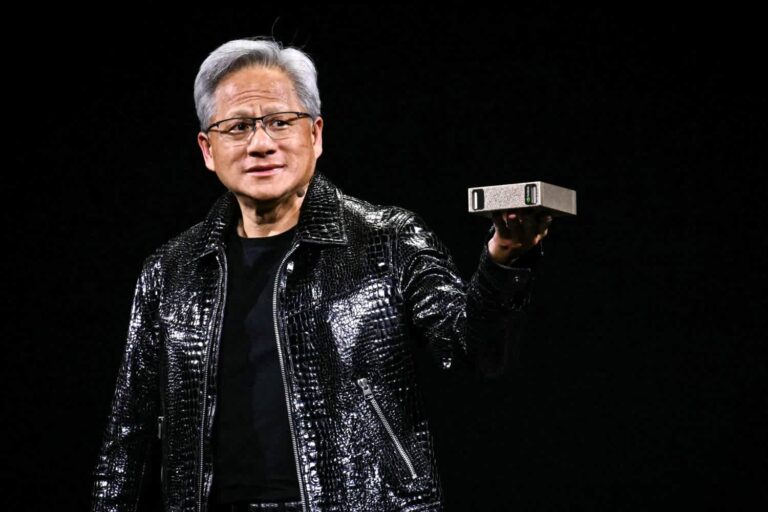
The price increases come amid a prolonged memory chip shortage that has driven up costs across the technology industry. Counterpoint Research warned late last year that server memory prices could double by the end of 2026, fueled by manufacturers shifting production toward AI-focused chips and Nvidia's adoption of smartphone-style LPDDR memory in its servers. CNBC reported in January that memory prices were expected to rise more than 50% in the first quarter of 2026 alone. Nvidia had already raised the price of its DGX Spark desktop system from $3,999 to $4,699 in February, citing memory supply constraints.finance.yahoo+3
Industry-wide, nearly every major IT hardware maker has raised list prices in 2026, with increases broadly reported in the 10 to 15 percent range, driven largely by the AI-fueled memory shortage.getuniqcli
The cost pressures are drawing attention from central bankers. Swiss National Bank governing board member Petra Tschudin warned on Friday that AI could push inflation higher in the near term. "Shortages can occur, for example with chips, causing prices to rise. In the short or medium term, therefore, upward inflationary pressure can also arise," Tschudin told the newspaper Finanz und Wirtschaft, according to Reuters.reuters
A day earlier, the International Monetary Fund's chief economist Silvana Tenreyro cautioned in research published by Bank of England staff that even if AI boosts productivity, it may not lower inflation. "Business investment and household spending can both move ahead of realised productivity gains, as many argue is happening now with investment in AI infrastructure," the researchers wrote.live.euronext
Tschudin acknowledged that AI could eventually reduce prices through productivity gains, but questioned whether such effects would be large enough to produce lasting deflation. "Productivity gains as such are not a new phenomenon. They do not, by themselves, lead an economy into structural deflation," she said.reuters