


Newsletter Subscribe
Enter your email address below and subscribe to our newsletter
[forminator_form id="25163"]

All voices matter
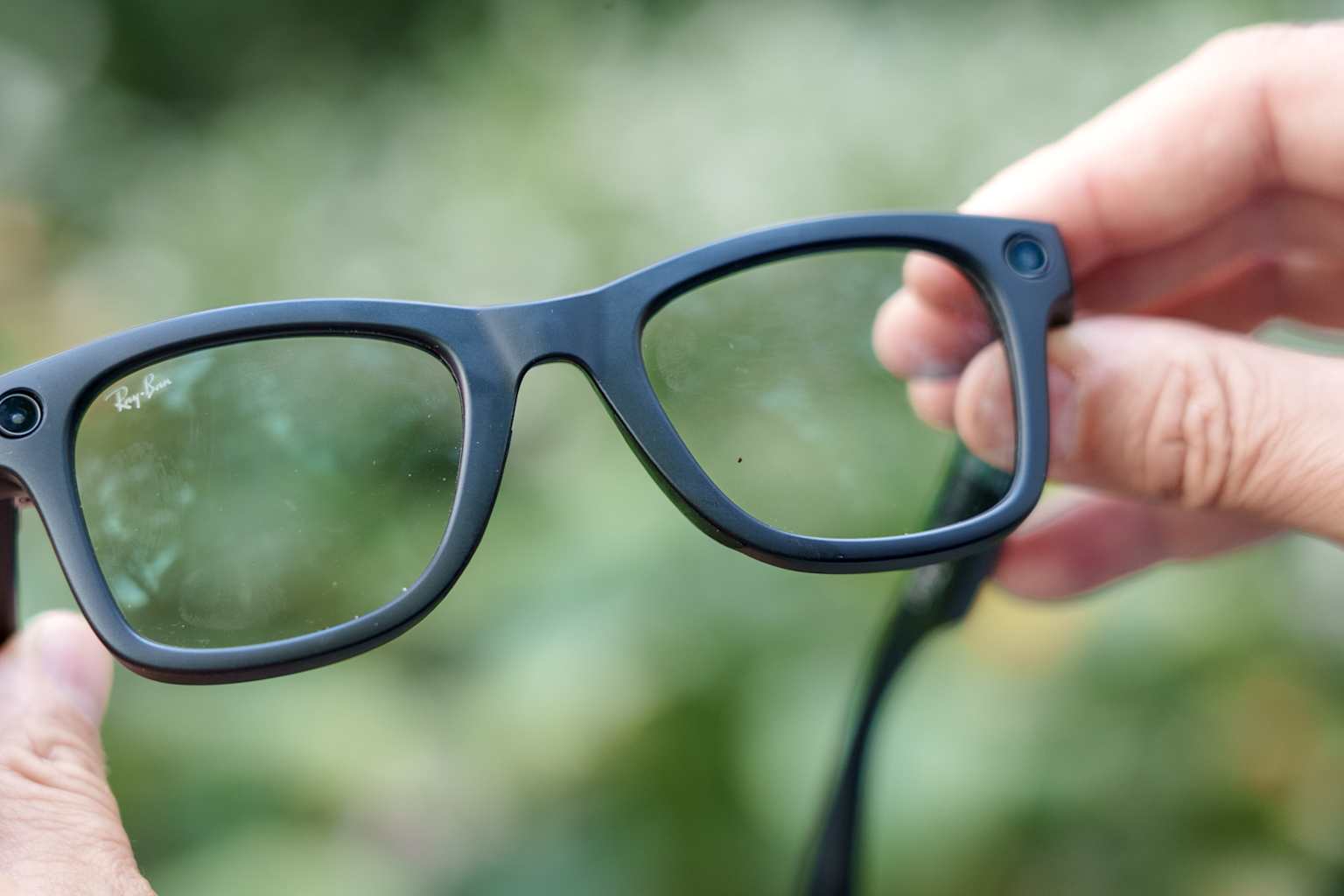
digitaltrends+1digitaltrends+1digitaltrends+1A newly published patent application shows Meta has continued developing facial recognition technology for its smart glasses, reigniting a debate over privacy and surveillance in wearable devices that has intensified throughout 2026.
The patent, published August 13 as US 2026/0238876 A1 and titled "Smart Cameras Enabled by Assistant Systems," describes an AI assistant that combines cameras with facial recognition, expression analysis, gaze tracking, and object recognition to automatically create personalized media. First reported by Patentlyze, the application is a continuation of a 2022 filing that itself traces back to 2019.digitaltrends+1
The patent outlines a system in which AI-powered glasses identify people in the wearer's field of view and assign them varying levels of "interestingness." In one example, the assistant recognizes the wearer's wife at a dinner party and centers the camera on her while blurring others. Alternatively, the system could detect two people laughing and determine they are more interesting subjects.biometricupdate
The camera, in other words, would no longer simply capture a scene — it would interpret it, automatically generating highlight reels and thumbnails based on who is present and what they are doing.hi-tech
The patent does not exist in isolation. In February, reports revealed an internal Meta feature called "Name Tag" that could allow the glasses to identify people in real time. In June, WIRED reported finding dormant facial recognition components inside the Meta AI app, including a system designed to convert faces into biometric signatures. Meta removed most of the code after the reporting and called the feature "exploratory".digitaltrends+1
Meta also licensed facial recognition and liveness detection technology from Rank One Computing, with capacity for up to 10 million facial templates. The company previously shut down Facebook's face recognition system in 2021 and agreed to a $1.4 billion settlement with Texas in 2024 over biometric data allegations.biometricupdate
The Center for Democracy and Technology warned that the technology could be abused in ways that endanger vulnerable people, including stalking and domestic violence victims. The BBC has reported growing concerns from women who say they have been secretly filmed by people wearing Meta's smart glasses.inkl+1
Meta sold more than seven million pairs of AI glasses in 2025, and the devices already look remarkably similar to ordinary eyewear. Critics argue that adding facial recognition to glasses worn in public spaces fundamentally changes the nature of the technology — from something people opt into to something imposed on bystanders who may have no way of knowing whether they are being identified.digitaltrends+2
The United States still lacks a comprehensive federal biometric privacy law, leaving a patchwork of state regulations that may struggle to keep pace with the technology.biometricupdate


