Newsletter Subscribe
Enter your email address below and subscribe to our newsletter

All voices matter
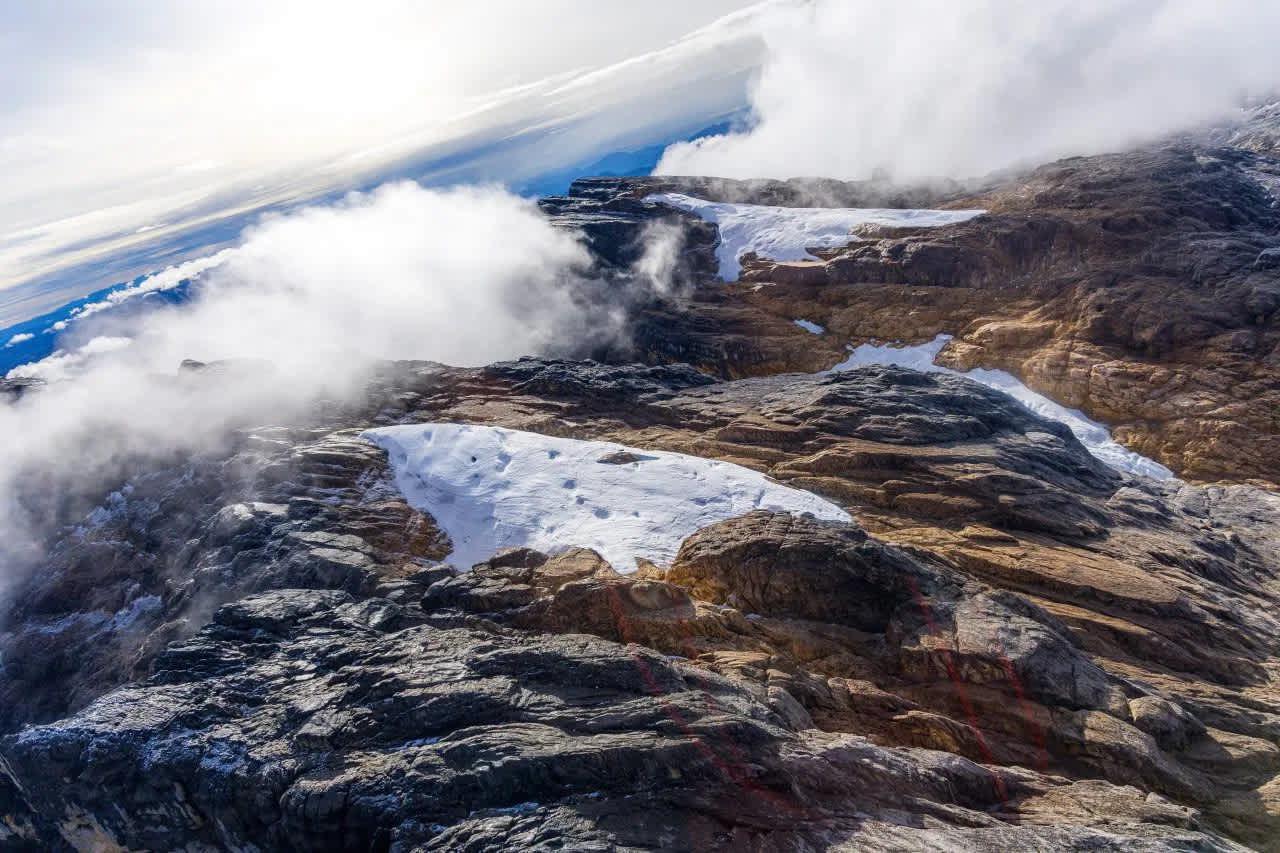
news.un+1meteorologicaltechnologyinternational+1facebook+1The World Meteorological Organization on Tuesday released its annual State of the Climate in the South-West Pacific report, projecting that the region's last remaining tropical glacier will vanish within months as ocean warming, marine heatwaves, and sea-level rise intensify across the vast Pacific expanse.news.un+1
The tropical ice cover near Puncak Jaya in Papua, Indonesia — the only surviving tropical glacier between the Himalayas and the Andes — now accounts for roughly 2% of the area observed in 1988. The WMO report projects it will disappear by the end of 2026 or early 2027. Indonesia's own meteorology agency, BMKG, reached a similar conclusion earlier this year, stating that "based on current retreat rates, the glaciers are expected to disappear completely no later than 2026 or 2027".arabnews+4
From 1980 to 2024, the glaciers in the region lost 97% of their ice cover. Of the original six glaciers at the site, four have already vanished, leaving only the Carstensz and East Northwall Firn glaciers. The prospect of a strong El Niño developing during mid-2026 is expected to accelerate the melt.facebook+2
The WMO found that 2025 was the second-warmest year on record for the South-West Pacific, behind only 2024, with average surface air temperature about 0.37°C above the 1991–2020 average. Marine heatwave coverage in 2025, while lower than the prior year, was the most extensive ever recorded in a year without an El Niño event.meteorologicaltechnologyinternational+1
Sea levels in the region rose at an average rate of 3.7 millimetres per year between 1999 and 2025, and nearly the entire South-West Pacific recorded historically low surface ocean pH values in 2025 as seawater absorbed increasing carbon dioxide.news.un+2
"For many countries and territories in the Southwest Pacific, the ocean is central to livelihoods, economies and resilience," said WMO Secretary-General Celeste Saulo. "In 2025, the region experienced warming oceans, rising sea levels, marine heatwaves and ocean acidification, alongside tropical cyclones and the continued loss of tropical glacier ice".news.un
The report was produced in collaboration with national meteorological services and UN partners including the Economic and Social Commission for Asia and the Pacific. Its release comes as a strong El Niño is forecast to develop through September 2026, raising concerns that the stresses documented in the report will only deepen in the months ahead.facebook