Newsletter Subscribe
Enter your email address below and subscribe to our newsletter
[forminator_form id="25163"]

All voices matter
moomoo+1sedaily+1finance.biggo+1Hong Kong's Hang Seng Index climbed 1.1% on Monday, rising 266 points to close at 23,616, marking a third straight session of gains as heavyweight internet stocks powered the advance and mainland investors continued to pour capital into the city's equity market.tradingeconomics
Tencent rose 4.8% while Meituan gained 4.7%, with short-video platform Kuaishou surging 8.0% to lead the day's notable movers. Biotechnology stocks also joined the rally, with Sino Biopharmaceutical climbing 6.5%, Sichuan Kelun-Biotech advancing 4.9%, and Innovent Biologics adding 3.1%.tradingeconomics
The session was supported by stronger-than-expected private-sector activity data, as the S&P Global Hong Kong SAR PMI rose to 52.0 in June from 50.4 in May, its fastest pace of expansion since February. Investor enthusiasm for artificial intelligence continued to broaden beyond pure technology plays into sectors including biotechnology, agriculture, and insurance.finance.biggo+1
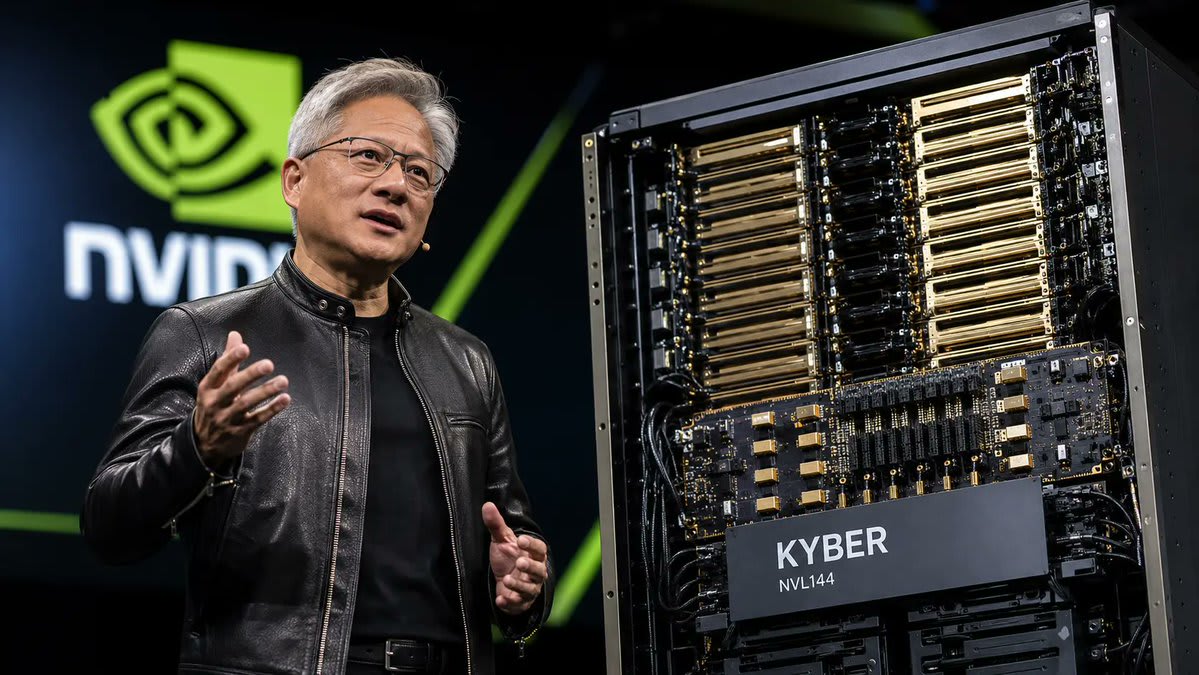
The gains came against a backdrop of sharp losses in printed circuit board and optical communication stocks after semiconductor research firm SemiAnalysis reported that Nvidia's Kyber NVL144 rack architecture had been delayed by more than 12 months to 2028 due to manufacturing difficulties with its PCB midplane. The report, published on X over the weekend, sent shockwaves through Asian supply chains, with PCB-related stocks across the region falling sharply.finance.biggo+3
SemiAnalysis wrote that the midplane PCB "remains challenging from a manufacturability standpoint," adding that the NVL576 system connecting multiple racks was also likely to face delays or be limited to small-batch production.moomoo+1
Despite the broad advance, gains were tempered by caution over a record wave of IPO lock-up expirations due this week. Chinese AI developer Knowledge Atlas Technology will see 25.6 million shares become eligible for trading on Wednesday, while MiniMax and Shanghai Iluvatar CoreX Semiconductor are also set to unlock sizeable portions of their shares. Tencent, meanwhile, has been ramping up buybacks, spending more than HK$9 billion in June alone, according to Bloomberg, its largest monthly total this year.finance.yahoo+1