Newsletter Subscribe
Enter your email address below and subscribe to our newsletter
[forminator_form id="25163"]
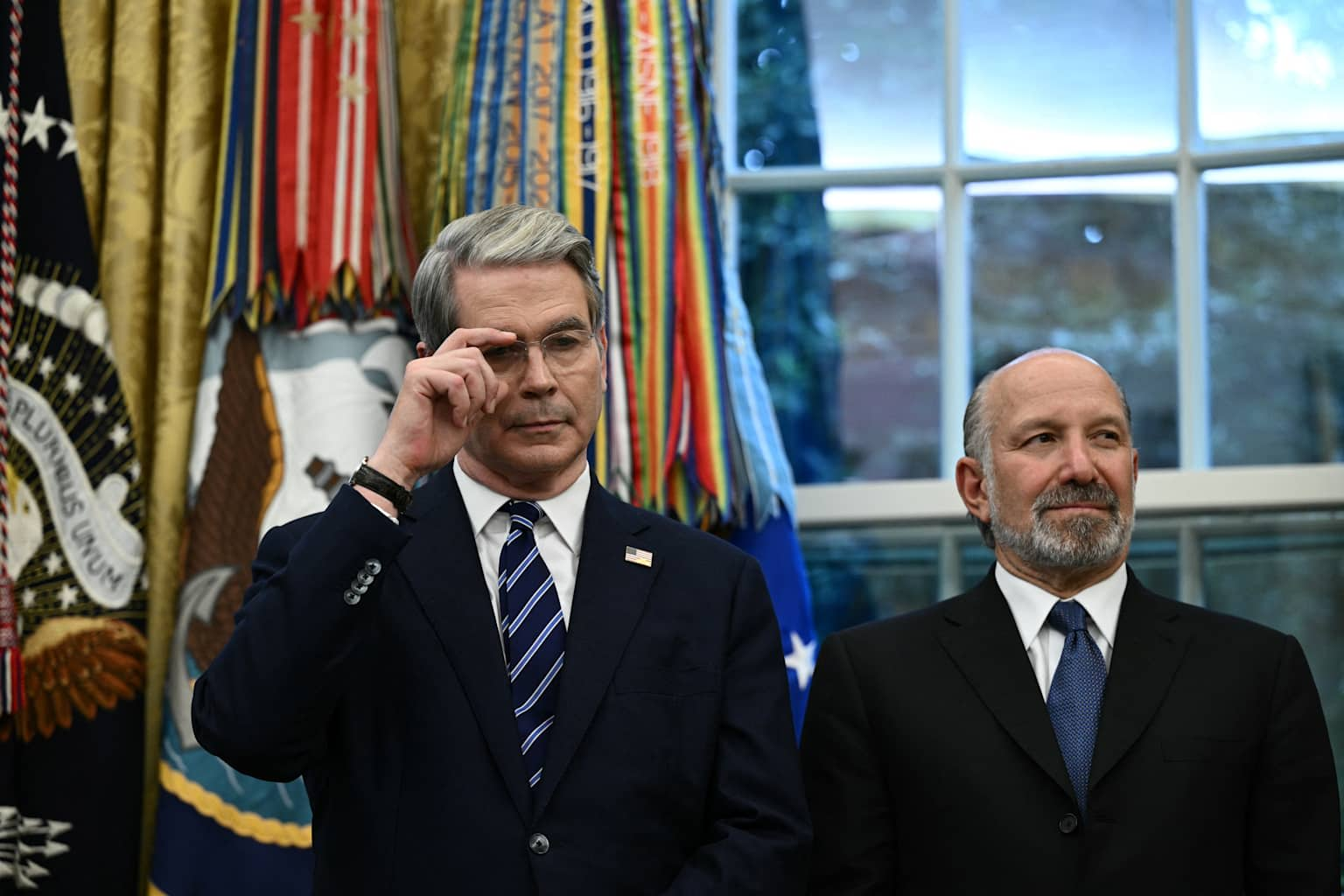
nixonpeabody.com+1.timesof.ai+1.politico.com+1.ვაჭრობის სამინისტრომ ორშაბათს, 16 ნოემბერს, ახალი საექსპორტო წესი გამოსცა, რომელიც კეტავს ხარვეზს, რასაც ჩინური კომპანიები ამერიკული ხელოვნური ინტელექტის ჩიპების მისაღებად იყენებდნენ. უწყების ინდუსტრიისა და უსაფრთხოების ბიუროს განცხადებით, წესი "დაიწერა სახაზინო დეპარტამენტისა და ეროვნული უშიშროების საბჭოს მითითებით". ამ განცხადებამ საჯარო გახადა უთანხმოება სახაზინო მდივან სკოტ ბესენტსა და ვაჭრობის მდივან ჰოვარდ ლატნიკს შორის ჩინეთის მიმართ სიმკაცრის საკითხზე, რაც Nvidia-სა და სინგაპურულ Megaspeed-თან დაკავშირებულმა სკანდალმა კიდევ უფრო გაამწვავა.politico.com
მალაიზიაში, სინგაპურში, ინდონეზიაში, ტაილანდსა და ბრაზილიაში მოწინავე ჩიპების ექსპორტი ახლა ლიცენზირებას ექვემდებარება, რადგან ვაშინგტონი ამ ქვეყნებს ტექნოლოგიების გადამისამართების მაღალი რისკის მქონედ მიიჩნევს. აშშ-ში დაფუძნებული მყიდველები თავისუფლდებიან ამ ვალდებულებისგან, თუ ისინი ყოველთვიურ ანგარიშებს წარადგენენ. მონაცემთა ცენტრები მსოფლიოს ნებისმიერ წერტილში საჭიროებენ ლიცენზიას, თუ ისინი 12 მილიონზე მეტი "ჯამური TPP" სიმძლავრის გამოთვლით რესურსს აწვდიან ჩინეთში, მაკაოსა და სხვა ემბარგო დადებულ ქვეყნებში დაფუძნებულ კომპანიებს. მალაიზიური საბროკერო კომპანია Kenanga-ს შეფასებით, ეს ზღვარი დაახლოებით 750 Nvidia H100 ჩიპს უდრის. წესი ასევე ოფიციალურად აუქმებს ბაიდენის ადმინისტრაციის დროინდელ AI დიფუზიის წესს. ის ძალაში შევა ფედერალურ რეესტრში გამოქვეყნებისთანავე, რაც ხუთშაბათს, 19 ნოემბერს არის მოსალოდნელი. მონაცემთა ცენტრებს, რომლებიც უკვე ემსახურებიან ასეთ კლიენტებს, ლიცენზიების მისაღებად 90 დღე ექნებათ.timesof.ai+3
საკითხთან დაკავშირებული სამი პირი აცხადებს, რომ ბესენტმა ეს წესი აქტიურად გაატარა და მას მხარი დაუჭირა სახელმწიფო მდივანმა მარკო რუბიომ, რომელიც ასევე ეროვნული უსაფრთხოების მრჩეველია. საგარეო ურთიერთობათა საბჭოს წევრის, კრის მაკგუაირის თქმით, ფორმულირება მიანიშნებს, რომ "ვაჭრობის სამინისტრო თეთრმა სახლმა და სახაზინო დეპარტამენტმა იძულებით გაიყვანეს ფინიშამდე".washingtonpost.com+1
დავა წარმოიშვა მას შემდეგ, რაც გავრცელდა ინფორმაცია, რომ Nvidia-ს ჩიპები ჩინეთში Megaspeed-ის გავლით ხვდებოდა. Nvidia-ს ყოფილი აღმასრულებელი დირექტორი ჯენსენ ჰუანგი გასულ კვირას გადადგა მას შემდეგ, რაც აღიარა რომანი Megaspeed-ის ყოფილ აღმასრულებელთან, რომელსაც აშშ-ის ზოგიერთი ოფიციალური პირი ჩინეთის სასარგებლოდ ჯაშუშობაში ადანაშაულებს. პარასკევს ბესენტმა გააკრიტიკა ვაჭრობის სამინისტრო Megaspeed-ის წინააღმდეგ მოქმედების არარსებობის გამო. "ვაჭრობის სამინისტროს ხელშია კალამი და მათ შიდა პროცესებზე მათ უნდა ჰკითხოთ", – განუცხადა მან CNBC-ს.politico.com+1
პრეზიდენტმა ტრამპმა ორშაბათს განაცხადა, რომ ლატნიკს არ შეცვლის. მან დავა მიდგომების განსხვავებად შეაფასა: "ერთს ჩინეთთან მეგობრობა სურს, მეორეს კი ჩინეთთან კონფლიქტი". ჩინეთის საგარეო საქმეთა სამინისტრომ შეზღუდვებს "ეკონომიკური იძულება" უწოდა. წარმომადგენელთა პალატის ჩინეთის კომიტეტის თავმჯდომარემ ჯონ მულენარმა გადაწყვეტილება მიესალმა, ხოლო ლატნიკი 3 დეკემბერს სენატში ჩვენების მისაცემად დაიბარეს. ტრამპი ხუთშაბათს შენჟენში ჩინეთის პრეზიდენტ სი ძინპინს უნდა შეხვდეს. ვაჭრობის სამინისტროს ყოფილმა ოფიციალურმა პირმა კრისტოფერ პადილამ გააფრთხილა, რომ საჯარო განხეთქილებამ შესაძლოა ჩინეთს მისცეს საშუალება, "მოიფიქროს რაიმე შემოვლითი გზა", რომელსაც ვაჭრობის სამინისტრო შესაძლოა დათანხმდეს.politico.com+1