Newsletter Subscribe
Enter your email address below and subscribe to our newsletter

All voices matter
cnbcusnews+1reutersCrude oil prices fell on Thursday despite a fresh escalation in hostilities between the United States and Iran, as traders weighed demand destruction risks from persistent inflation against supply disruption fears in the Strait of Hormuz.
Brent crude futures declined roughly 2% on the session, reversing gains from Wednesday when prices had surged more than 5% after President Donald Trump declared the ceasefire with Iran "over." West Texas Intermediate futures also retreated, giving back a portion of Wednesday's 4.4% rally.cnbc
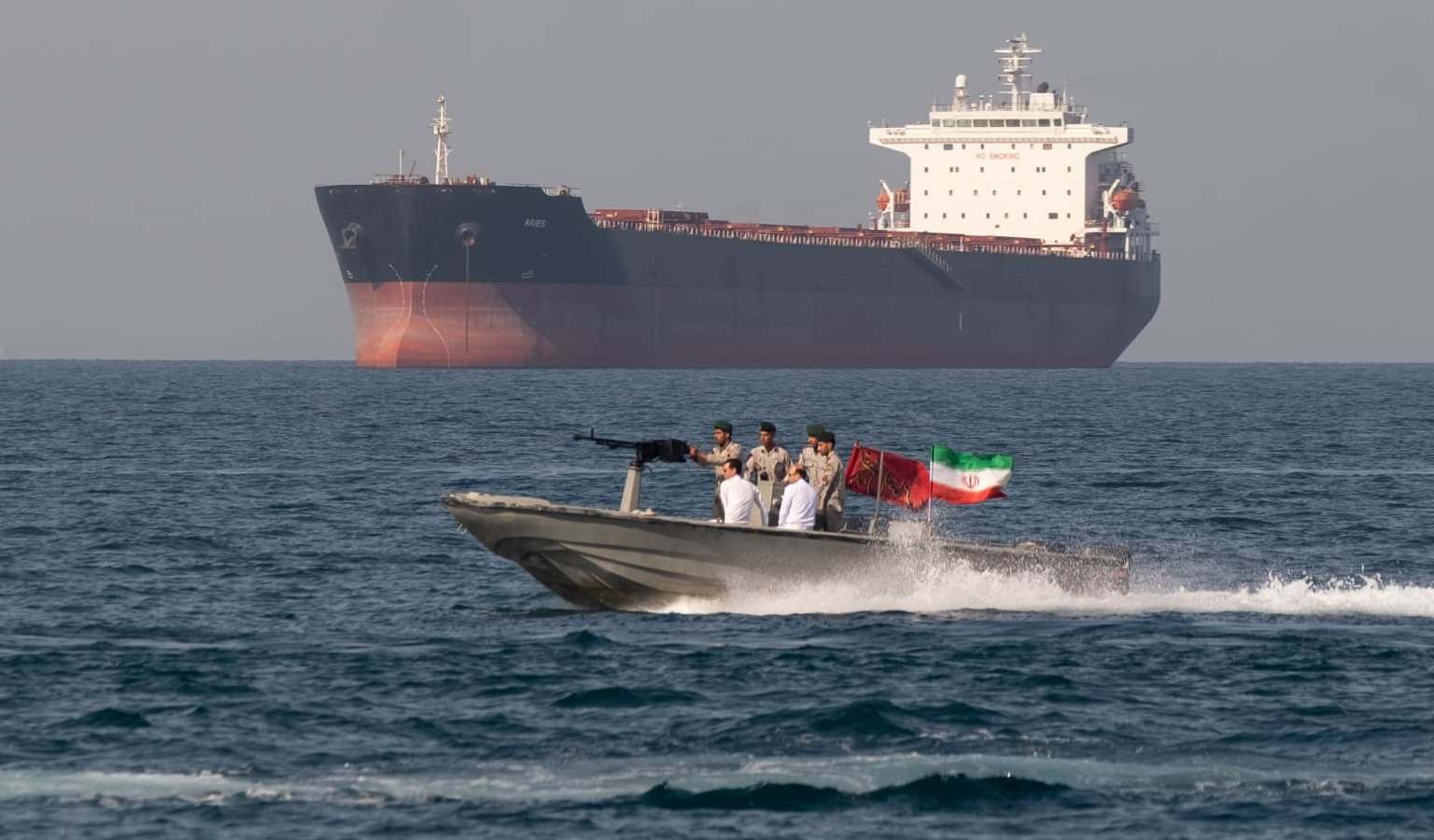
The selloff came even as tanker traffic through the Strait of Hormuz ground to a near standstill. Just two tankers had sailed through the waterway early Thursday, according to Reuters, as shipping risks escalated following renewed U.S. airstrikes on Iran and retaliatory Iranian attacks on American military infrastructure in Bahrain, Kuwait, and Qatar.reuters+1
Iran's army said it targeted U.S. Patriot missile systems in Kuwait, an early warning site in Qatar, and a fuel storage facility in Bahrain, according to a statement released through state media. The strikes followed U.S. bombardment of approximately 90 locations across Iran's southern coastal and eastern provinces, further straining a three-week-old ceasefire agreement.nbcnews+1
Despite the escalation, the market appeared to bet that the conflict would not lead to a full return to war. "The oil market is not pricing in a full closure of Hormuz," Andy Lipow, president of Lipow Oil Associates, told CNBC. Citibank analysts told clients that the U.S. and Iran were likely to return to negotiations within weeks.cnbc
Adding to the bearish pressure, minutes from the Federal Reserve's June meeting released Wednesday showed mounting concern among policymakers about inflation. Nine of 18 officials projected rates would need to rise by year-end, with several supporting an immediate hike, though all ultimately voted to hold the benchmark rate steady at 3.50% to 3.75%.reuters+1
The hawkish tone reinforced investor fears about demand destruction. The Fed's shift away from previously projected rate cuts toward a possible hike reflected inflation pressures driven in part by the conflict's effect on energy costs — creating a feedback loop that now threatens to suppress the very oil demand that elevated prices helped stoke.reuters