Newsletter Subscribe
Enter your email address below and subscribe to our newsletter
[forminator_form id="25163"]

All voices matter
indexbox+1ess-newsbloomberg+1The disruptions to global energy markets caused by the 2026 Iran war and the ongoing instability around the Strait of Hormuz are reshaping the world's energy landscape, driving record investment in clean energy and battery storage as countries scramble to reduce their dependence on Middle Eastern fossil fuels.
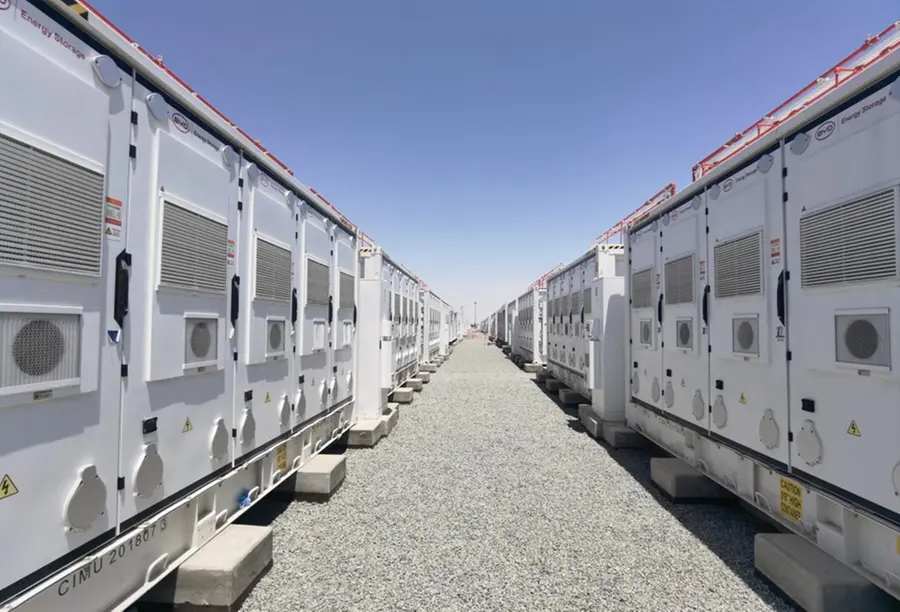
Chinese energy storage companies have secured more than 25 gigawatt-hours in overseas orders as lingering energy shocks from the Strait of Hormuz disruption push governments and utilities to accelerate grid-scale battery deployments. CATL Contemporary Amperex Technology Co., Limited alone secured 5.4 GWh in storage orders in the first two weeks of June, partnering with firms in Finland and Australia. Long-duration energy storage deployments are forecast to nearly quadruple this year after a record 2025, according to Bloomberg NEF.indexbox+3
The demand surge comes even as the U.S. Department of Defense added several Chinese storage and solar companies — including CATL, BYD, EVE Energy, and Huawei — to its "Chinese military companies" list on June 9, barring defense procurement from these firms starting in 2027.ess-news
The London Stock Exchange Group reported this month that the green economy has surpassed $10 trillion in market capitalization for the first time, with green revenues climbing 5.3 percent in 2025 — the fastest pace since 2022. The International Energy Agency's World Energy Investment 2026 report projects $2.2 trillion flowing into clean energy this year versus $1.2 trillion for fossil fuels, a nearly two-to-one ratio.insideclimatenews+5
The crisis has forced rapid policy changes across Asia. India is urgently diversifying its LNG sourcing away from Qatar toward the United States, Australia, and West Africa after the Strait of Hormuz closure exposed the vulnerability of its Gulf-dependent supply chains. Thailand, where 59 percent of crude imports are vulnerable to the blockade, has implemented fuel-reduction mandates and accelerated biofuel adoption. Vietnam moved its E10 ethanol fuel rollout forward by two months.youtube+2
The war between the U.S.-Israel coalition and Iran, which began on February 28 and led to a ceasefire on April 7-8, caused what the IEA characterized as the "largest supply disruption in the history of the global oil market". Even as U.S. and Iranian negotiators made "encouraging progress" in Switzerland on Sunday toward a comprehensive agreement, ship traffic through the Strait remains well below pre-war levels, and Iran's Revolutionary Guards announced another closure of the waterway on Saturday — a claim the U.S. military disputed.reuters+5